BriargateWellness Center

Article · 11 min read

CBD Diet Plan: A Colorado Springs Guide to Balanced Nutrition and Wellness

A CBD‑infused diet can support recovery and balance for Colorado Springs residents who train at altitude. This guide offers local food pairings, a sample meal plan, and practical safety advice.

By Marcus Alden, Outdoor & Trails Editor · Published August 19, 2026 · Updated August 19, 2026

A kitchen countertop in Colorado Springs showing fresh blueberries, kale, trout, a bottle of CBD oil, and a window view of the red sandstone formations of Garden of the Gods.
Local produce and CBD oil ready for a mountain‑fuelled meal in Colorado Springs.

Key takeaway

Start each day with a small, measured dose of high‑quality CBD added to locally sourced meals and track how you feel.

Living at 6,000 feet brings unique nutritional challenges—dry air, higher metabolism, and a love of outdoor adventure. Adding CBD to your daily meals can help manage inflammation, support recovery, and promote a calm mindset, especially after a hike in the Front Range.

What Is CBD and How It Works With Food?

Cannabidiol (CBD) is a non‑psychoactive compound from the hemp plant that interacts with the body’s endocannabinoid system. When taken with food, it is absorbed more steadily, and the nutrients in the meal can help modulate its effects.

Altitude, Hydration, and Colorado Springs

At 6,000 ft, the body loses water faster and may experience mild inflammation after vigorous activity. Pairing CBD with a well‑hydrated, nutrient‑dense diet helps mitigate those altitude‑related stresses. Aim for at least 2.5 L of water daily and consider adding a pinch of sea salt to meals for electrolyte balance.

Local Foods to Pair With CBD

  • Wild Colorado blueberries – high in antioxidants
  • Pueblo‑style roasted green chile – supports circulation
  • Organic kale from local farms – rich in magnesium
  • Trout from the Arkansas River – omega‑3 fatty acids
  • Colorado honey – natural sweetness and anti‑bacterial properties
  • Elk jerky – lean protein for post‑hike recovery

Sample Daily CBD‑Infused Meal Plan

CBD Meal Plan Overview

MealFoodCBD Ingredient
BreakfastBlueberry‑kale smoothie with almond milk1 ml full‑spectrum CBD oil
LunchGrilled trout salad with Pueblo chile vinaigrette½ ml CBD-infused olive oil
DinnerElk jerky and roasted sweet potatoes1 ml CBD tincture

Simple CBD Recipe Steps

  1. Choose a high‑quality, CO₂‑extracted CBD product with clear potency labeling.
  2. Measure the recommended dose (usually 5‑10 mg) using the dropper or a kitchen scale.
  3. Add the CBD to the recipe during the last 5 minutes of cooking or stir into a cold dish to preserve potency.
  4. Store any leftover CBD‑infused foods in airtight containers in the refrigerator for up to 48 hours.

Timing, Dosage, and Outdoor Recovery

For most active adults, 5‑10 mg of CBD taken 30‑60 minutes before a workout can reduce perceived soreness. After a hike—whether you’re exploring Garden of the Gods or tackling North Cheyenne Canyon—add another 5 mg dose to help your muscles unwind. Keep a journal of dose, time, and how you feel to fine‑tune the schedule.

Safety, Legal, and Tracking Checklist

  • Consult a healthcare provider before starting CBD, especially if you take medication.
  • Verify that the product complies with Colorado state regulations (≤0.3% THC).
  • Start with the lowest effective dose and increase gradually.
  • Record dosage, time, meals, and any changes in mood or performance.
  • Stay hydrated and monitor for any adverse reactions.

Frequently asked questions

Can I use any CBD product in my meals?
Choose products that are third‑party tested, THC‑free or below 0.3%, and clearly label the concentration. Full‑spectrum, broad‑spectrum, and isolate oils all work, but full‑spectrum offers the most entourage effect.
How much CBD should I add to a meal?
Most beginners start with 5 mg (about 1 ml of a 5 mg/ml tincture). Adjust based on how you feel, but keep the total daily intake under 30 mg unless advised by a professional.
Does cooking destroy CBD?
CBD is heat‑stable up to about 350 °F (177 °C). Adding it during the last few minutes of cooking or to cold dishes preserves potency.
Is CBD legal in Colorado Springs?
Yes, Colorado allows hemp‑derived CBD with no more than 0.3% THC. Always purchase from reputable local dispensaries or licensed online retailers.
Can CBD help with altitude‑related headaches?
Some people report reduced headache frequency when using CBD for its anti‑inflammatory properties, but you should also stay hydrated, limit alcohol, and consult a medical professional.
How do I know if CBD is affecting my performance?
Track your workouts, recovery times, and any changes in focus or anxiety. A simple spreadsheet or wellness journal can reveal patterns over a few weeks.
Should I avoid CBD on days I’m not exercising?
CBD can be part of everyday wellness, but if you’re not active you may prefer a lower dose, focusing on stress reduction rather than recovery.

Continue reading
Article · 12 min read

Starting an Active Lifestyle in Colorado Springs: A Beginner's Guide

Starting from a low baseline of activity in Colorado Springs involves specific local variables that most beginner guides ignore: altitude adjustment, the abundance of trail options, and seasons that change the game every three months. This guide covers all of it.

By Nora Whitfield, Wellness Editor · Published June 20, 2026 · Updated August 10, 2026

Person walking on a wide gravel trail in Colorado Springs open space on a clear morning
The first month of an active lifestyle in Colorado Springs is about finding the one habit that repeats, not the most impressive option available.

Key takeaway

Start smaller than feels right, repeat more than feels necessary, and let the first month be about proving to yourself that you will leave the house rather than proving anything about fitness.

Starting an active lifestyle in Colorado Springs involves a variable that generic beginner guides don't account for: altitude. At roughly 6,000 feet, physical effort costs more than it does at sea level, particularly in the first weeks and months. That reality doesn't mean starting active habits here is harder in the long run — it means the first month looks different from what most fitness content prepares you for.

This guide is for someone who is genuinely starting from a low baseline: minimal recent movement, little or no trail experience, and possibly a new arrival to the city. It covers altitude adjustment, the right first activities for this specific environment, how to avoid the most common beginner mistakes, and how to build from a first habit to a sustainable routine.

Understanding altitude adjustment

At 6,000 feet, the air contains less oxygen per breath than at sea level. During exercise, your heart and lungs compensate by working harder. This is why a pace that felt easy for a walk at home can feel genuinely effortful in Colorado Springs, and why you may feel unexpectedly winded on stairs or a gentle slope in the first weeks.

The adjustment is real and it takes time — typically two to four weeks for the initial adaptation, and longer for the more subtle changes to fully develop. During that period, the right response is to slow down rather than to push through. Your body is doing actual physiological work to adjust, and adding more effort on top of that rarely speeds things up.

Altitude adjustment timeline for new residents

WeekWhat's happeningWhat to do
Week 1Most acute adjustment — headache, fatigue, disrupted sleep possibleVery short, very easy walks only; drink more water than usual
Week 2Cardiovascular demand still elevatedModerate activity at conversational pace; rest if headache persists
Weeks 3–4Early adaptation beginning; effort still feels higher than expectedBuild time gradually; avoid adding intensity and duration at the same time
Month 2Most people feel significantly more adaptedBegin to explore slightly harder options; keep building base
Month 3+Functional adaptation for most activitiesNormal progression; altitude is still a factor in heat and at higher elevation

The right first activity

The right first activity for a beginner in Colorado Springs is walking — not hiking, not trail running, not a studio class. Walking. On a flat or gently graded surface, at a pace where you can hold a conversation without effort, for twenty to thirty minutes. That is the entry point, regardless of your background or how unsatisfying it sounds.

The reason walking works as a starting point is not just physical — it's logistical. It requires no equipment beyond shoes, no membership, no class schedule, no commitment beyond the front door. Each of those removed barriers is a removed reason to stop. In the first month of building any habit, the number of decision points and friction sources matters as much as the activity itself.

  • First two weeks: flat, paved surfaces only — Monument Valley Park, the greenway, Cottonwood Creek Park, neighborhood sidewalks.
  • Weeks three and four: introduce gentle grade — lower Ute Valley Park, the flat sections of Red Rock Canyon Open Space.
  • Month two: consider wider natural-surface trails at moderate grade when comfortable at conversational pace.
  • Month three: introduce longer sessions or steeper terrain only when shorter sessions feel genuinely easy.

Beginner-appropriate local trails

The trail network around Colorado Springs is large and varied, and the variety is part of what makes beginning here harder than it sounds. The abundance of options — fifty trails within thirty minutes — creates decision paralysis and the temptation to attempt something more demanding than is appropriate for the first month.

Ignore most of it for now. The three best beginner options for the first month are Monument Valley Park (paved, flat, central, excellent for a daily habit), the main circuit at Garden of the Gods (paved option, accessible from a large car park, impressive setting that makes the walk feel worthwhile without being hard), and lower Ute Valley Park (wide gravel path, gentle grade, good for a first step onto natural surface).

What to bring on every outing

Beginner outdoor checklist

  • Water — a full bottle minimum, started before you feel thirsty.
  • Sun protection — SPF 30 or higher, year-round. Winter sun at altitude is not gentle.
  • Shoes with some grip — not trail shoes yet, but not flat-soled sneakers either.
  • A layer for wind or temperature drop — mornings and afternoons vary widely.
  • A phone with a charged battery and your route noted or photographed.
  • A time limit, not a distance target — 'back by 9 am' is more reliable than 'two miles'.

Building the first month

The goal of the first month is not fitness improvement. The goal is establishing a repeating pattern. Three sessions in week one, three in week two, three in week three. Same time, same anchor, same short route. At the end of the month, the habit should feel like something that requires no motivation to do — just the absence of obstacles.

Resist the urge to add things in the first month: a second activity, a longer route, a harder option you read about. Complexity added too early is the primary reason beginner routines collapse. The first month's only job is to prove that the simplest version repeats.

  • Aim for three sessions per week — not five, not seven.
  • Make week two identical to week one — adding repetitions before adding duration.
  • Record only attendance (did it happen?), not performance (how far, how fast).
  • If you miss a day, do not double up the next day. Continue from where you left off.
  • The week you have a cold, a bad night or a packed schedule: do the minimum version, not nothing.

Adding to the routine: month two and beyond

When the first habit runs without thought for a full month, one thing can be added. One — not a second category and a third and a new goal. Add either duration to the existing activity (from twenty minutes to thirty), or a second activity on a separate day (a mobility session, a different park). Run the new addition alongside the existing anchor for four weeks before evaluating whether it stays.

Common additions that work well alongside a walking habit: a twenty-minute mobility session on non-walking days, a brief breathing practice attached to a different anchor, or a longer outdoor session once per week that replaces one of the shorter walks. Any of those maintains the simplicity of the original pattern while adding meaningful volume.

The most common beginner mistakes

Altitude-specific: starting with a trail that's too long or steep in the first two weeks and having a bad enough experience that you don't go back. The solution is the same as above — choose boring and short rather than impressive and uncertain for the first month.

Season-specific: building a summer walking routine that depends on afternoon outdoor time, then being disrupted by thunderstorms or heat without an indoor alternative. Building a weather backup is not optional in Colorado Springs — it should be in the plan from day one.

Common mistakes and how to avoid them

MistakeWhat it looks likeThe fix
Too ambitious too soonFirst trail is a Palmer Park connector; too hard; skipped next sessionChoose the flattest, most boring option for the first two weeks
No minimum versionBad weather day = no session = broken streak = quitDecide the minimum (a block walk, ten minutes of mobility) before you need it
Measuring performance too earlyTracking pace and distance in week one; disappointed; stopsTrack only attendance for the first month
Adding too fastThree new activities in week three; too complex; abandonedOne habit, one anchor, one month before adding anything
Ignoring altitudePushes too hard in week one; headache; feels like failureAssume the first two weeks will feel harder than expected — that is accurate

Using the city's resources

Colorado Springs has some of the best free outdoor infrastructure in the country for someone building an active lifestyle. The parks and open spaces are within reach of most neighborhoods, the paved paths are well-maintained, and the natural-surface trails graduate in difficulty in a way that supports a natural progression over months.

Beyond outdoor access: the public library system is worth knowing about as both a resource for fitness information and as an indoor alternative for mindfulness or quiet time on days when the outdoor window doesn't work. Several branch libraries have quiet reading areas, and Pikes Peak Library District's digital resources include guided health and fitness content available with a library card.

Frequently asked questions

How long does altitude adjustment actually take?
Most people feel the acute effects — increased breathlessness, disrupted sleep, possible mild headaches — for the first two to three weeks. A fuller functional adjustment for sustained aerobic exercise can take two to three months. Plan the first month accordingly: shorter, easier, slower than your instinct.
What if I get short of breath on a very gentle walk?
Slow down until your breathing is comfortable, or stop. At altitude, breathlessness on a gentle walk in the first weeks is normal. If it is severe, persistent or accompanied by chest discomfort, that is a reason to stop and seek medical advice. Mild breathlessness on easy terrain is expected and not a reason to push through.
Should I join a gym or a studio to start?
Not necessarily in the first month. The investment, the schedule dependency and the social pressure of a studio can all add friction to a habit that doesn't yet exist. Start with free outdoor options and the mobility work you can do at home; add a studio if and when the outdoor base habit is solid.
How do I know when I'm ready to try a more difficult trail?
When the current trail genuinely feels easy — when you finish without significant breathlessness and without soreness the next day — for at least three consecutive sessions. That is the signal, not calendar time or distance covered.
Can I start an active lifestyle in winter?
Yes, and winter is actually a reasonable time to start in Colorado Springs because the weather, while cold, is consistently clear, the sun is strong, and midday outdoor time is genuinely available. Microspikes for icy paths and a warm wind layer are the main additions; the fundamental approach is the same.
What should I do if I miss two or three weeks?
Start again from the beginning of week one rather than from where you left off. Attempting to resume at the level you were at before a gap leads to soreness and discouragement. A two-week break returns your body closer to baseline than most people expect, and restarting at a lower level is not a step backward — it is accurate.
  • Westside

    Garden of the Gods central garden walk

    A mostly paved loop through the red sandstone formations on the west side — the easiest way in Colorado Springs to feel like you left the city without driving out of it.

  • Downtown

    Monument Valley Park path

    Flat, shaded creekside walking and running along the Pikes Peak Greenway near downtown — the least complicated way to get 30 to 60 minutes of easy movement.

  • Ute Valley & northwest

    Ute Valley Park loops

    Rolling open space on the north side with a mix of easy valley trails and short, honest climbs — a good default for people living near Briargate and Rockrimmon.

  • Citywide

    A 20-minute sunrise walk from your own front door

    The most-used wellness activity in this database, because it needs no drive, no fee, no gear and no plan.

  • Citywide

    A 30-minute floor mobility session at home

    Slow hips, ankles, thoracic spine and shoulders — the unglamorous work that makes hiking and desk weeks tolerable.

  • Citywide

    A midday winter daylight walk

    Colorado Springs winters are cold but bright. A short walk at midday is the single most useful seasonal habit we recommend.

Explore all local resources →

Continue reading

Article · 8 min read

Wellness Activities You Can Do in 30 Minutes in Colorado Springs

Thirty minutes is enough for a real wellness habit if you stop treating it as a warm-up for something longer. This guide covers the specific activities — outdoor, indoor and mental — that fit that window and actually work in Colorado Springs.

By Nora Whitfield, Wellness Editor · Published May 12, 2026 · Updated August 5, 2026

Phone showing 30-minute timer on a wooden table next to running shoes
A thirty-minute timer beside the door is a more useful wellness tool than a fourteen-week program you will abandon in week three.

Key takeaway

Thirty minutes done consistently beats ninety minutes done occasionally — pick one activity that fits the window and repeat it until it needs no decision.

Thirty minutes is the window most people actually have on a working day. Not sixty, not ninety. Thirty — between the end of the meeting and the start of dinner, or the gap between school drop-off and the first call. The common mistake is treating that window as too short for anything real and therefore doing nothing. The second mistake is filling it with something that actually takes forty-five minutes and leaving frustrated.

This guide lists activities that genuinely fit thirty minutes in Colorado Springs — not thirty minutes on paper but thirty minutes including getting there and back, or getting set up and put away. Every entry is locally grounded, specific and honest about what actually happens in the window.

Walking: the most reliable thirty-minute activity

A twenty-minute walk — which is what you get when thirty minutes includes leaving the house and returning — is one of the highest-return wellness activities available. It costs nothing, requires no equipment beyond shoes, and produces measurable benefits in mood, blood sugar, stiffness and sleep quality when repeated consistently. It does not need to be fast, scenic, or impressive to any of those ends.

In Colorado Springs, you can walk a meaningful route from most residential neighborhoods without getting in a car. The network of connecting paths, park access roads and greenway spurs means that a twenty-minute out-and-back from the front door reaches open space in many parts of the city. Monument Valley Park, the Pikes Peak Greenway, Cottonwood Creek on the north side, and the Palmer Park access paths from the east-side neighborhoods all work within this window.

Mobility work at home

A thirty-minute mobility session is one of the most underutilised options in the window, because it requires almost no setup, can be done in any weather, and addresses the specific physical problem most sedentary adults in Colorado Springs have: hip flexors shortened by desk work, thoracic spine stiffened by screen posture, and ankles and calves that have never fully adapted to the elevation-change demands of local trails.

Mobility work doesn't mean yoga, though yoga is one version of it. It means slow, deliberate movement through ranges of motion you normally avoid — hip circles, cat-cow, thoracic rotation, ankle rolls, hamstring lengthening. A floor mat, thirty minutes, and a sequence you repeat the same way every session. No equipment, no membership, no class schedule.

Outdoor options by intensity

Thirty-minute outdoor activities by effort level

EffortActivityLocal option
Very gentleSlow walk on a flat pathMonument Valley Park paved loop, Cottonwood Creek Park
GentleBrisk walk with mild gradeLower Ute Valley Park, Red Rock Canyon entrance road
ModerateRolling trail at paceGarden of the Gods main circuit, Palmer Park lower loop
ActiveHill repeats or steep connectorPalmer Park upper connector, North Cheyenne Cañon approach
High intensityTrail run or steep climb at effortPalmer Park mesa connector, Red Rock Canyon ascent

The key adjustment for altitude is that 'moderate' in Colorado Springs at 6,000 feet requires more cardiovascular effort than the same grade at sea level. If you're new to the elevation, classify yourself one step below your sea-level normal for the first month. A pace that keeps you conversational is the right target for a thirty-minute session until you're confident in the adjustment.

Mindfulness and breathing in thirty minutes

A thirty-minute breathing or mindfulness session doesn't require thirty minutes of meditation — it requires about ten, plus time to transition in and out. A practical sequence: five minutes with no agenda (sit, don't try to do anything), fifteen minutes of slow breathing (four counts in, six or eight counts out), ten minutes of quiet sitting with eyes open. That is a complete practice, and it fits the window without any app or instruction.

The location matters more than most people think. A comfortable chair, away from a screen, in natural light, with no background noise louder than conversation is significantly more effective than the same practice at a desk with a phone visible. If your home doesn't offer that, the library is a serious alternative: a quiet branch on a weekday morning is one of the few free, genuinely quiet environments available in the city.

Recovery activities in thirty minutes

Recovery in thirty minutes usually means one of three things: a slow walk the day after something hard (which works better than rest for most people), a targeted stretching sequence for the area that's sore, or a brief sauna session if access is available. All three address the same underlying need: promoting circulation and reducing the accumulated tension that follows sustained effort.

A thirty-minute sauna session is a legitimate recovery tool, but it is not right for everyone — check with a clinician if you have cardiovascular conditions, are pregnant, or are on medications that affect heat regulation. For most people in good general health, a single session at a moderate temperature followed by a cool rinse and fifteen minutes of quiet is a complete recovery activity within the window.

Building thirty-minute habits into the week

The goal with thirty-minute activities is not a collection of them — it is one or two that run automatically, requiring no decision at the moment of execution. Decide in advance what happens in the window on Monday, Tuesday and Wednesday. Not what might happen; what will happen, same activity, same anchor. That removes the decision from the moment and puts it back into the plan.

Making the thirty-minute habit stick

  • Assign the activity to an anchor, not a time of day: 'after I close the laptop' beats '5:30 pm' every time.
  • Keep everything you need already out: shoes at the door, mat unrolled, route already decided.
  • Set a timer for thirty minutes, not for 'as long as I feel like it' — the boundary prevents scope creep.
  • Do not evaluate the session while it is happening. Evaluate it once, at the end of the week.
  • When you have less than thirty minutes, do the ten-minute minimum rather than skipping entirely.

What thirty minutes doesn't fix

Thirty-minute activities don't address chronic structural problems — a fundamentally poor sleep pattern, severe deconditioning, a diet that isn't working, or a mental health condition. They are a maintenance tool and a starting point, not a treatment. If any of those larger issues apply, the thirty-minute habit is still worth building — it creates the physical and mental infrastructure that makes addressing the larger issue more feasible — but it doesn't substitute for it.

Frequently asked questions

Is thirty minutes really enough to get any benefit from exercise?
Yes, particularly for moderate-intensity movement done consistently. The research on short, regular bouts of movement supports benefit across multiple outcomes — mood, sleep, blood sugar, stiffness, cardiovascular health — when the sessions happen most days of the week rather than occasionally.
What is the single best thirty-minute activity for someone starting from nothing?
A walk from the front door, same route, most days. It is the activity with the lowest barrier, the highest likelihood of being repeated, and the broadest set of benefits. Nothing else in the thirty-minute window has a better track record for building a lasting habit from scratch.
How does altitude affect what I can do in thirty minutes?
Primarily by raising the cardiovascular cost of any given effort level. A brisk walk that feels easy at sea level will feel more like a moderate walk in Colorado Springs, especially in the first few weeks after arriving. Factor that in by adjusting expectations, not by choosing harder activities to compensate.
Can I split thirty minutes across the day — say, fifteen in the morning and fifteen at lunch?
For movement, the evidence suggests that accumulated minutes produce benefit even when split. For mindfulness or recovery, a continuous block is more effective. If splitting is what allows you to do it versus not doing it, split — the habit matters more than the format.
What should I do when thirty minutes is all I have and I'm exhausted?
Do the lowest-intensity version: a slow walk around the block, five minutes of floor stretching, or a ten-minute breathing practice. The value of a minimal session on a bad day is continuity — it keeps the habit pattern intact for the days when you have more energy.
  • Citywide

    A 20-minute sunrise walk from your own front door

    The most-used wellness activity in this database, because it needs no drive, no fee, no gear and no plan.

  • Citywide

    A 30-minute floor mobility session at home

    Slow hips, ankles, thoracic spine and shoulders — the unglamorous work that makes hiking and desk weeks tolerable.

  • Citywide

    Ten minutes of slow breathing

    No app, no subscription, no belief system required. Sit, lengthen the exhale, notice when you drift, come back.

  • Downtown

    Monument Valley Park path

    Flat, shaded creekside walking and running along the Pikes Peak Greenway near downtown — the least complicated way to get 30 to 60 minutes of easy movement.

  • Ute Valley & northwest

    Ute Valley Park loops

    Rolling open space on the north side with a mix of easy valley trails and short, honest climbs — a good default for people living near Briargate and Rockrimmon.

  • Citywide

    A sauna or steam session

    Heat, then quiet. A simple recovery ritual that suits Colorado's dry cold months particularly well.

Explore all local resources →

Continue reading

Article · 10 min read

The Half-Day Wellness Reset in Colorado Springs

A half-day is enough time for a meaningful reset in Colorado Springs if you stop treating it like a truncated full day. This guide builds a four-to-five-hour sequence using local trails, food and simple recovery — specific, free and unhurried.

By Nora Whitfield, Wellness Editor · Published April 5, 2026 · Updated August 1, 2026

Person sitting on a rock overlooking a Colorado canyon in the afternoon sun
A half-day reset works best when the pace is set by where you're sitting, not by what's left on the list.

Key takeaway

A half-day wellness reset is not a compressed full-day retreat — it is a different kind of thing, with its own logic and its own places to do it in Colorado Springs.

A half-day reset is the wellness format that doesn't get its own category. It's too long for a quick break and too short for anything that requires packing or planning. Most people spend those four or five hours running errands, which is not a criticism — it's just not a reset. This guide is about using that window for something that actually leaves you feeling different at the end of it.

Colorado Springs is well set up for this format. The city has trail access close enough to reach without a significant drive, good food options that fit within a longer morning without feeling rushed, and enough canyon and open-space variety to satisfy a half-day with one destination and a slow pace. None of what follows requires a reservation, a membership or a prior relationship with the outdoors.

What a reset actually needs to do

A reset isn't about intensity or accomplishment. It's about creating a gap in the continuous low-grade attention load of a normal week: the phone, the decisions, the ambient monitoring of work and home and obligations. The gap is the point. Outdoor time, physical movement and unhurried food each contribute to it, but the common factor is that they don't require the same kind of attention.

This means the worst thing to do with a half-day reset is to fill it. Three destinations, two errands, a detour and a podcast playing the whole time is not a reset — it is a different kind of load. The guidance throughout this guide is toward one destination, minimal decisions once you arrive, and silence or near-silence as the default.

Choosing a location

The location for a half-day reset should satisfy a few criteria: accessible within twenty minutes from most parts of the city, enough space to spend two to three hours without feeling like you've circled back too many times, some variation in terrain or view to reward walking slowly, and at least one good place to sit and do nothing.

Half-day reset locations by character

LocationCharacterBest for
Red Rock Canyon Open SpaceDramatic rock formations, good trail network, some shadeThose who want visual variety and room to explore slowly
North Cheyenne CañonCreek, steep canyon walls, tree coverThose who want to walk alongside water in shade
Garden of the GodsFamous formations, paved and unpaved options, very accessibleThose who want scale and views without committing to a long trail
Palmer ParkMesa views, eastern city feel, quieter on weekdaysThose who want open space closer to the east side
Ute Valley ParkRolling terrain, interconnected trails, close to the north sideThose who want a longer walk without significant climbing

A sample half-day sequence

This is one version. It is not a prescription — it is a template you can scale, swap and adjust. The logic is: slow movement first, stillness second, food third.

  • Hours one and two: Walk at a pace where you're not breathing hard. No headphones, no destination goal. Turn around whenever, not on a schedule.
  • Hour three: Find a place to sit — a rock, a bench, the edge of a clearing — and stay there for at least twenty minutes. No scrolling. Watch what's in front of you.
  • Hour four: A meal, alone or with one other person, at a pace that lets you actually taste it. Ideally somewhere with a view out rather than in.
  • Optional final half-hour: A ten-minute breathing session in the car before driving back. Longer exhale than inhale, four or five minutes, then quiet.

Managing altitude and sun

At 6,000 feet, a half-day outdoors is more physically demanding than the same time would be at sea level — specifically in terms of UV exposure and hydration. Neither requires elaborate preparation, but both require conscious attention. Sun protection is not optional, including in shoulder seasons when the air temperature suggests otherwise. A full bottle of water before you leave, and another in the bag, is the entire hydration plan.

If the reset falls in summer, adjust the sequence around the morning-only outdoor window. Begin no later than eight, aim to be off exposed ground or in shade by noon, and schedule the slow meal for the early afternoon when the thunderstorm risk is highest. That timing also happens to make the meal a better experience — less rushed, less competition for seats.

The recovery component

A half-day reset does not require a formal recovery session, but a brief one — fifteen minutes — substantially extends the aftereffect. The most reliable option is a slow breathing practice: sit somewhere comfortable, breathe in for four counts, out for six or eight. That asymmetry activates the parasympathetic response without requiring a posture, a belief system or a certification.

If a sauna is accessible to you — at a gym, a wellness facility, or through a friend with access — a twenty-minute session after the walk and before the meal is a strong addition. It is not necessary, and it is not right for everyone, but for those who tolerate heat well, the combination of walk plus sauna plus slow meal is one of the most effective half-day sequences available here.

Solo versus shared

A half-day reset done solo is a different experience from one done with another person. Neither is better, but they serve different needs. Solo resets are about quiet and self-directed attention. Shared resets work best with one other person whose default speed is slow and whose conversation style allows silence. Groups of three or more turn a reset into a social event, which is fine but is a different thing.

If you are doing this with someone else, agree in advance that headphones are out, phones stay in pockets during the walk, and there is no agenda beyond the sequence. The conversation, if it comes, will be better for having not been the point.

What to do afterward

The hours after a half-day reset are worth protecting. Don't schedule a demanding work block immediately after returning. Avoid social media for an hour. If you're back home, sit somewhere quiet for twenty minutes before switching back to the normal rhythm of the day. The reset has a half-life, and what you do in the first hour back determines how much of it you keep.

Frequently asked questions

Do I need to hike during a half-day reset, or can I just sit somewhere?
You can absolutely just sit. Forty-five minutes of walking and ninety minutes of sitting at a canyon overlook is a legitimate and effective reset. The movement is useful but it is not the point — the gap from the normal attention load is the point, and sitting in an interesting outdoor place achieves it.
Which location is best if I'm not very fit or haven't been outside much recently?
Garden of the Gods has paved paths and benches throughout, is largely flat near the visitor center, and offers a strong visual experience without requiring any real hiking. Monument Valley Park is another good option — flat, paved, accessible from multiple entry points and genuinely pleasant to walk slowly.
What should I eat for the meal portion of the reset?
Whatever you enjoy and can eat slowly without feeling rushed. A takeaway meal eaten at a picnic table with a view works as well as a restaurant. The criteria are: not fast food eaten in the car, not at a screen, and at a pace where you actually finish feeling satisfied rather than having noticed what you ate in retrospect.
Can a half-day reset work if I only have two hours?
Yes, but simplify the sequence. One location, one walk of forty-five minutes, twenty minutes sitting, and a meal to end. Two hours is enough for a genuine gap if you resist the urge to use the compressed time more efficiently.
What if the weather is bad?
Swap the outdoor component for a library visit or a slow indoor mobility session, keep the meal, and add the breathing practice. A bad-weather reset is less satisfying but still meaningful if the phone stays away and the pace stays slow.
  • Westside

    Red Rock Canyon Open Space

    Quarry-scarred red rock, wide main trails and a lot of optional side loops — the middle ground between a park walk and a real hike.

  • Broadmoor & south

    North Cheyenne Cañon

    A steep, wooded canyon on the southwest side with everything from a short walk beside the creek to serious climbing on the connecting trails.

  • Westside

    Garden of the Gods central garden walk

    A mostly paved loop through the red sandstone formations on the west side — the easiest way in Colorado Springs to feel like you left the city without driving out of it.

  • East side

    Palmer Park mesa trails

    A large mid-city park with a web of dirt trails on the mesa — short loops for a lunch break, longer links if you want an hour of steady climbing.

  • Citywide

    A sauna or steam session

    Heat, then quiet. A simple recovery ritual that suits Colorado's dry cold months particularly well.

  • Citywide

    Ten minutes of slow breathing

    No app, no subscription, no belief system required. Sit, lengthen the exhale, notice when you drift, come back.

  • Citywide

    A quiet hour at a public library

    Free, indoor, weatherproof and genuinely quiet — the most underrated wellness infrastructure in any city, including this one.

Explore all local resources →

Continue reading

Article · 14 min read

Colorado Springs Wellness by Season: A Year-Round Planning Guide

Spring mud, summer thunderstorms, fall's best walking weeks and winter's short daylight — a practical guide to adjusting your outdoor and indoor wellness habits through the year in Colorado Springs.

By Nora Whitfield, Wellness Editor · Published March 1, 2026 · Updated July 28, 2026

Four-panel collage of Colorado Springs across summer, fall, winter and spring
The Front Range changes character four times a year, and a wellness plan that doesn't change with it will fail at least twice.

Key takeaway

Colorado Springs weather doesn't cancel your plans — it changes the hour and the location. Plan for the season you're actually in, not the one you enjoyed most.

Colorado Springs has four genuinely distinct seasons, and each one changes the wellness equation in specific ways. The altitude amplifies the sun, the dry air accelerates dehydration, and the afternoon thunderstorm pattern in summer is as reliable as a calendar event. A plan that doesn't account for all of that will produce guilt and frustration rather than consistent habits.

This guide works through each season with specific, practical adjustments: when to go, where to go, what to watch for, and what to do on the days when the season wins. It is not a comprehensive activities directory — it is a planning layer for whatever wellness habits you already have or are building.

Spring: March through May

Spring in Colorado Springs is the most deceptive season. A warm, bright day in late March can give the impression that winter is over; a foot of wet snow the following week corrects that quickly. Trail conditions in March and April range from bare and dry to icy to muddy in the space of a single week, sometimes a single day.

The most important spring rule for outdoor wellness is trail surface judgment. Natural-surface trails that are soft and muddy should not be walked — not as a preference, but as a conservation habit. Walking a soft trail cuts ruts and widens the path when people step around puddles, and the damage can persist for weeks. When in doubt, choose paved paths: the greenway, Monument Valley Park, and the paved portions of Garden of the Gods are all suitable even in wet conditions.

  • Best spring option on paved surfaces: Monument Valley Park, the Pikes Peak Greenway, Garden of the Gods paved circuit.
  • Best spring option when trails are dry: lower loops at Red Rock Canyon Open Space, wide sections of Ute Valley Park.
  • Avoid in spring mud: upper Palmer Park connectors, North Cheyenne Cañon single-track, anything with visible tire or foot ruts.
  • Indoor alternative when conditions are bad: a mobility session at home, a library visit, a covered farmers market.

Spring is also the season when daylight returns fast. The shift from mid-winter's short windows to a full hour of usable light after work happens quickly between February and April. That recovering daylight is worth using for outdoor time before summer heat and thunderstorm timing compress the window again.

Summer: June through August

Summer outdoor wellness in Colorado Springs runs on a compressed schedule. The productive outdoor window is roughly six in the morning to noon. After that, afternoon thunderstorms — common from July through mid-August — make exposed ridges and open ground genuinely hazardous. The storms typically build quickly, and being off exposed terrain by early afternoon is standard local practice rather than overcaution.

Heat is the other summer variable. Colorado Springs is drier and higher than most of the country, and the combination of sun intensity and low humidity means dehydration arrives without the sensation of sweating that people use as a cue at lower altitude. Carrying water is not optional in summer — it is part of the activity.

Summer timing guide

Time of dayOutdoor conditionsBest use
6–8 amCool, clear, low UVLonger trails, steeper routes, sustained effort
8–10 amWarming, still clearModerate trails, parks, open space
10 am–noonHot, strong UV, watch for cloud buildShorter loops, shaded paths only
Noon–3 pmPeak heat, storm risk buildingIndoor only, or covered greenway sections
3–5 pmActive storm period in July–AugustStay off exposed ground, indoor alternative
After 5 pmStorm risk decreasing, still warmNeighborhood walks, shaded creek corridors

Shade is the summer resource. The canyon trails at North Cheyenne Cañon stay cooler than open space because of tree cover and elevation. The Pikes Peak Greenway has useful tree cover through the city. Palmer Creek and Bear Creek corridors offer shade that most of the mesa trails don't. These aren't just preferred options in summer — on a hot July afternoon, they're the only outdoor options worth taking.

Fall: September through November

Fall is the season that most local wellness habits are built around, and for good reason. September through October brings stable weather, comfortable temperatures throughout the day, long clear light and the absence of the thunderstorm pattern that compresses summer. It is the most forgiving season for outdoor time.

Trail conditions are generally excellent through October. Trails that were too soft in spring and too hot in summer become accessible and enjoyable. This is the season to attempt routes that require more time or more sustained effort — a longer Palmer Park loop, a linked circuit in Red Rock Canyon, or a slow day at North Cheyenne Cañon.

  • September and October: the best all-day outdoor windows of the year.
  • Watch for early cold snaps in late October — a morning that starts at thirty-five degrees can warm to sixty by afternoon.
  • November: daylight shortens noticeably; plan the outdoor window around midday rather than after work.
  • Fall is the season to build a habit that will carry into winter — the motivation is there, the conditions are excellent, and the routine will be set before the short days arrive.

Winter: December through February

Winter in Colorado Springs is cold, but it is also consistently bright. The city gets far more winter sun than the Midwest or the East Coast, and midday temperatures on clear days can reach the forties even in January. This makes winter outdoor time not just possible but genuinely worth planning for.

The most valuable winter habit is the midday outdoor walk. Fifteen to thirty minutes of exposure to winter sunlight — even if it requires a coat — addresses the daylight deficit that arrives by late afternoon and genuinely affects energy and sleep quality. Monument Valley Park, the greenway and paved park paths are all accessible after a night freeze because they receive direct sun in the morning. Canyon and north-facing trails hold ice much longer.

Winter outdoor preparation

  • Microspikes for icy sections — cheap, light and genuinely useful on north-facing trails in January and February.
  • Warm base layer plus wind shell rather than heavy insulation; the sun makes a huge difference once you're moving.
  • Sun protection even in winter; the UV index at altitude on a snow-covered trail is significant.
  • Start no earlier than nine in the morning when temperatures are coldest — the sun changes the experience quickly.
  • Check shaded sections for ice before walking: canyon floors, north-facing slopes and tree cover all hold ice much longer.

Winter is also the season when indoor wellness becomes more important, not as a substitute for outdoor time but as a complement to the shorter outdoor window. A morning mobility session that takes twenty minutes indoors pairs well with a midday outdoor walk that takes another twenty. Together they give you the sensory variety and physical input of a much longer single session.

Seasonal transition points

The hardest wellness weeks of the year are usually the transition weeks — the week in November when the clocks change and the outdoor window after work disappears, the week in March when a warm stretch is interrupted by a late snowstorm. These weeks knock out routines that have no pre-planned response to disruption.

Seasonal transition planning

TransitionMain challengePractical response
MarchMud and unpredictable snowShift to paved paths; keep the outdoor anchor but reduce distance
JuneThunderstorm window starts, heat increasesMove outdoor sessions to before 10 am; add indoor alternative
SeptemberEasier, not harder — the best transitionExtend outdoor sessions; build the anchor habit for fall
NovemberDaylight loss after workShift outdoor time to midday or morning; add indoor evening session

Year-round habits that don't need seasonal adjustment

Some habits are genuinely season-independent and worth anchoring for that reason. An evening breathing or wind-down practice, a weekly batch cook, a morning mobility session and a library visit are all essentially immune to weather. They serve as the stable core of a routine while the outdoor components shift around them with the seasons.

These don't need to be elaborate. Ten minutes of slow breathing at the end of the workday does not change in February. A ninety-minute batch cook on Sunday produces the same weekday benefit in January as it does in July. The lower-maintenance the habit, the more reliably it functions as an anchor.

Planning the year

Rather than setting an annual wellness resolution, try setting a seasonal one. At the start of each season — roughly early March, June, September and December — spend ten minutes writing down what the next three months look like: what the weather will do, what your schedule will do, and what one or two outdoor adjustments make sense. That is a complete seasonal plan.

The goal is not to optimize each season but to stay in the habit of adapting rather than quitting. Most wellness routines that survive a full year in Colorado Springs do so because they had a different shape in each season, not because they were rigid enough to hold through all four.

Frequently asked questions

What is the best season for outdoor wellness in Colorado Springs?
Fall — specifically September and October — is the most reliable and accessible season for outdoor wellness. The thunderstorm pattern has ended, temperatures are comfortable throughout the day, trails are in good condition, and the daylight is long enough for flexible scheduling.
When do afternoon thunderstorms typically start and end?
The pattern typically begins in late June or early July and runs through mid-August. By September, the risk drops significantly. During the active period, storms are most common between one and four in the afternoon, though they can arrive earlier or later. The rule to follow is simple: off exposed ground by noon to be safe.
Can I hike in winter in Colorado Springs?
Yes, and winter hiking is genuinely underrated here. Many trails are accessible on a clear winter day, particularly south-facing slopes and paved paths that get direct morning sun. Microspikes, a warm base layer and a realistic sense of which trails hold ice are the main requirements.
How much does altitude affect seasonal wellness planning?
Primarily in two ways: UV exposure is higher year-round (including on snowy winter days), and dehydration arrives more quickly in the dry climate, particularly in spring and summer. Build sun protection and hydration into the plan regardless of season, not just in summer.
Are there wellness activities I can do year-round regardless of weather?
Many. Indoor mobility work, breathing practice, evening wind-down routines and batch cooking are all weather-independent. The paved greenway and Monument Valley Park are also accessible on most days when natural-surface trails are not.
What should I do on days when the weather makes outdoor time impossible?
Have an explicit indoor alternative already decided. A short mobility session, a library visit, a breathing practice or an indoor workout covers the wellness value without requiring a new decision in a disrupted day. The alternative should already be in the plan before the bad weather arrives.
  • Westside

    Garden of the Gods central garden walk

    A mostly paved loop through the red sandstone formations on the west side — the easiest way in Colorado Springs to feel like you left the city without driving out of it.

  • East side

    Palmer Park mesa trails

    A large mid-city park with a web of dirt trails on the mesa — short loops for a lunch break, longer links if you want an hour of steady climbing.

  • Ute Valley & northwest

    Ute Valley Park loops

    Rolling open space on the north side with a mix of easy valley trails and short, honest climbs — a good default for people living near Briargate and Rockrimmon.

  • Downtown

    Monument Valley Park path

    Flat, shaded creekside walking and running along the Pikes Peak Greenway near downtown — the least complicated way to get 30 to 60 minutes of easy movement.

  • Broadmoor & south

    North Cheyenne Cañon

    A steep, wooded canyon on the southwest side with everything from a short walk beside the creek to serious climbing on the connecting trails.

  • Citywide

    A midday winter daylight walk

    Colorado Springs winters are cold but bright. A short walk at midday is the single most useful seasonal habit we recommend.

Explore all local resources →

Continue reading

Article · 12 min read

How to Build a Sustainable Wellness Routine

Most wellness routines collapse in week three. This guide explains why, and builds a replacement around the real constraints of a working week in Colorado Springs — altitude, seasons, limited time and an honest energy budget.

By Nora Whitfield, Wellness Editor · Published February 10, 2026 · Updated July 15, 2026

Open notebook with a handwritten weekly planner beside a cup of coffee and morning light
A written plan for the week, even a rough one, reduces the number of in-the-moment decisions that kill follow-through.

Key takeaway

A routine survives not because it is well-designed but because it has been stripped down to the version you will still do during a bad week.

Most wellness routines fail for the same reason: they are designed for a version of the week that doesn't exist. They assume a full hour on Tuesday morning, an uninterrupted lunch on Thursday, and the emotional bandwidth to cook something real on Friday evening. One disruption — a difficult meeting, a sick kid, a bad sleep — and the whole structure collapses because there was no minimum version built in.

This guide builds a routine the other way around. Start with what the worst reasonable week looks like, design something that fits inside that, and treat anything you do beyond it as a bonus. That inversion is the difference between a routine that is still running in November and one you abandoned in March.

Why most routines collapse

The mechanics of collapse are almost always the same. A routine is built during a period of high motivation — after a holiday, in January, after a particularly heavy stretch at work. The plan reflects what would feel good, not what is genuinely repeatable. It includes too many categories, too many decisions, and too much reliance on willpower at the moment of execution.

The specific pressure points in Colorado Springs are the seasons. A routine built for fall — long daylight, stable weather, pleasant temperatures — will not survive a January with six inches of snow and darkness by five in the afternoon without deliberate adjustment. And a plan built around outdoor time will have no fallback when June afternoon thunderstorms cut the window in half.

  • Too many categories: movement, food, sleep, mindfulness, recovery — all at once.
  • No minimum version: the plan assumes the full session or nothing.
  • Motivation-dependence: requires feeling like it rather than just doing it.
  • No seasonal adjustment: built for a season that passes.
  • Outcome focus instead of process focus: measured by results rather than by showing up.

The right starting size

A sustainable starting point is one category, one anchor and one backup. One category means choosing the domain that matters most right now — movement if you feel physically stiff, food if your energy is erratic, sleep if you're consistently wrecked. One anchor means attaching the new habit to something already in the schedule rather than creating a new time slot. One backup means deciding in advance what the minimum version looks like.

In practice for most people in this city, that means something like: a twenty-minute walk after the same event every day, with a ten-minute neighborhood loop as the fallback when time collapses. That is a complete starting routine. Not inspirational, but repeatable — which is the only quality that matters in the first month.

Choosing an anchor

An anchor is an existing event in your day with a consistent time: the end of work, the morning coffee, the school drop-off, the lunch break. The habit attaches to the anchor rather than to a time of day, which means it travels when the schedule shifts. 'After I close the laptop' is more robust than 'at 5:30 pm' because one of those will still be true on the day everything runs late.

Common anchors and what they make possible

AnchorActivity that attaches wellMinimum version
Morning coffeeStretching or mobility workFive minutes of slow movement before sitting down
School drop-offWalk from the car rather than driving back immediatelyTen-minute neighborhood loop
End of workdayWalk before transitioning to the eveningA single lap around the block
After dinnerWind-down routine, breathing practiceFifteen minutes away from screens
Weekend morningLonger trail walk or outdoor sessionA shorter local park visit

Building the weekly shape

Once an anchor holds for a few weeks, a weekly shape becomes possible. The weekly shape isn't a training plan — it's a loose scaffold that answers one question: on each of the next seven days, what is the one thing I am most likely to actually do? That question is different from 'what would be ideal' and different from 'what should I do'. It is a prediction, not a prescription.

For most people, a realistic shape includes three short low-effort sessions (walks, mobility, breathing), one session that requires more — a longer trail, a class, a strength circuit — and two or three days where the expectation is nothing, deliberately. The nothing days are part of the design, not failures.

Weekly shape design rules

  • Assign the harder session to the day with the most reliable energy — usually not Monday.
  • Leave at least one full day per week with no wellness obligation at all.
  • Keep the same anchor on weekdays; let weekends be looser.
  • Write it down at the start of the week rather than deciding each morning.
  • Review it at the end of the week for ten minutes — not to grade yourself but to spot what got in the way.

The minimum version

Every habit needs an explicit minimum version: the version you do when you're tired, when there are only fifteen minutes, when the weather is bad. Without it, a disrupted day becomes a missed day becomes a lapsed week. With it, disrupted days stay inside the routine.

The minimum version should feel almost embarrassingly small. Not 'a shortened version of the full session' but 'the thing I can do in twelve minutes without changing shoes'. For a walk-based routine, that might be two laps of the block. For a mobility practice, it might be five minutes on the floor with no timer. The point is not the benefit of those twelve minutes — it is the continuity signal they send.

Outdoor habits and Colorado's weather

Colorado Springs gets around three hundred days of sunshine a year, which is a genuine asset, but it also gets afternoon thunderstorms in summer, unpredictable snow in spring and fall, and cold snaps that arrive without much notice. A routine that depends entirely on outdoor time will be disrupted multiple times per season if there is no indoor alternative.

The practical solution is a paired alternative for every outdoor habit: the same duration of indoor movement for rainy or snowy days, a library branch for the lunch walk when it's icy, a ten-minute breathing session for the evening walk when it's late and dark. The alternative doesn't have to be as good. It just has to happen.

  • Walk at Palmer Park → indoor mobility session when icy or stormy.
  • Lunch-hour trail at Ute Valley → greenway walk or covered pedestrian areas on bad-weather days.
  • Evening wind-down outside → window-side reading or breathing practice with lights dimmed.
  • Weekend hike → a longer indoor session or a drive to a covered farmers market.

Tracking without turning it into a job

Daily tracking works against long-term habits more often than it works for them. The session you miss becomes a gap in the streak, the gap creates guilt, and guilt is one of the most reliable predictors of abandonment. A weekly review — ten minutes, a notebook or a note on your phone — gives you the pattern without the daily pressure.

What to track in that ten minutes: what actually happened this week versus what you planned, one specific thing that got in the way, and one adjustment for next week. That is the whole review. Not a rating, not a tally, just the pattern and one concrete response to it.

When to expand the routine

Expand when the current routine has run without feeling like effort for at least a month, when the minimum version feels genuinely easy, and when the adjustment point you're considering is something you're going to want to do rather than something you think you should. Those three conditions together mean the existing habit has become background — which is what a sustainable routine actually looks like.

Add one thing at a time. A second category, a longer session, a new anchor. Run it alongside the existing routine for three weeks before deciding whether it stays.

Signs the routine is ready to expand

  • You've completed it more than four weeks without a gap of more than two days.
  • The minimum version feels genuinely easy — not just doable.
  • You're thinking about adding something because you want to, not because you feel behind.
  • The anchor habit happens without needing to decide.
  • You've successfully recovered from at least one disrupted week.

Seasonal resets

The most durable routines in Colorado Springs are the ones that change with the season. Not dramatically, but deliberately. A spring and fall outdoor focus, a summer morning-only outdoor window because of thunderstorms, and a winter indoor supplement that runs parallel to shortened outdoor time. Treating each season as a fresh design problem — rather than failing to maintain the same routine year-round — removes a chronic source of guilt.

The seasonal reset point is a good time for the ten-minute review described above, applied to the entire quarter: what worked, what collapsed, what to carry forward, what to replace. Four seasonal reviews per year produces a routine that steadily gets more realistic and more personal over time.

Frequently asked questions

How many habits can I reasonably build at once?
One anchor habit at a time, until it runs without conscious effort. Most people who try to build three wellness habits simultaneously at the start of January have abandoned all three by February. One habit that sticks is worth more than four that don't.
How do I handle a week where everything falls apart?
Do the minimum version on at least two days, end the week without self-assessment, and start the following week from the anchor rather than from where you left off. The goal after a bad week is continuity, not catch-up.
Does my routine need to include specific wellness categories like mindfulness or recovery?
No. Build around whatever category you are most likely to maintain. The categories on this site are tools for discovery and planning, not obligations. A routine of three walks a week and a Sunday batch cook is complete if it holds.
What's the right length for a daily wellness habit?
Whatever fits reliably inside your worst reasonable day. If the minimum version takes thirty minutes on a normal day and you've had no days with thirty minutes free in the past two weeks, the minimum is too long. Reset it downward, not upward.
How does altitude affect building a movement routine?
New residents from lower elevation often find that effort feels harder for the first month or two, particularly during sustained cardio. Plan for shorter sessions and slower paces, and don't measure progress against sea-level benchmarks. The adjustment is real and temporary.
Should I track calories, steps, or other metrics?
Only if you find they motivate rather than stress you, and only for long enough to give you useful information about your baseline. For most people building a habit from scratch, showing up consistently is the only metric that matters in the first two months.
Explore all local resources →

Continue reading

Pillar guide · 15 min read

Cannabis & CBD in Colorado: An Educational Guide

Terminology, product categories, labels, safety considerations and Colorado's regulatory context — written as consumer education, with no medical claims and no product recommendations.

By Dana Reyes, Lifestyle Researcher · Published February 18, 2026 · Updated July 14, 2026

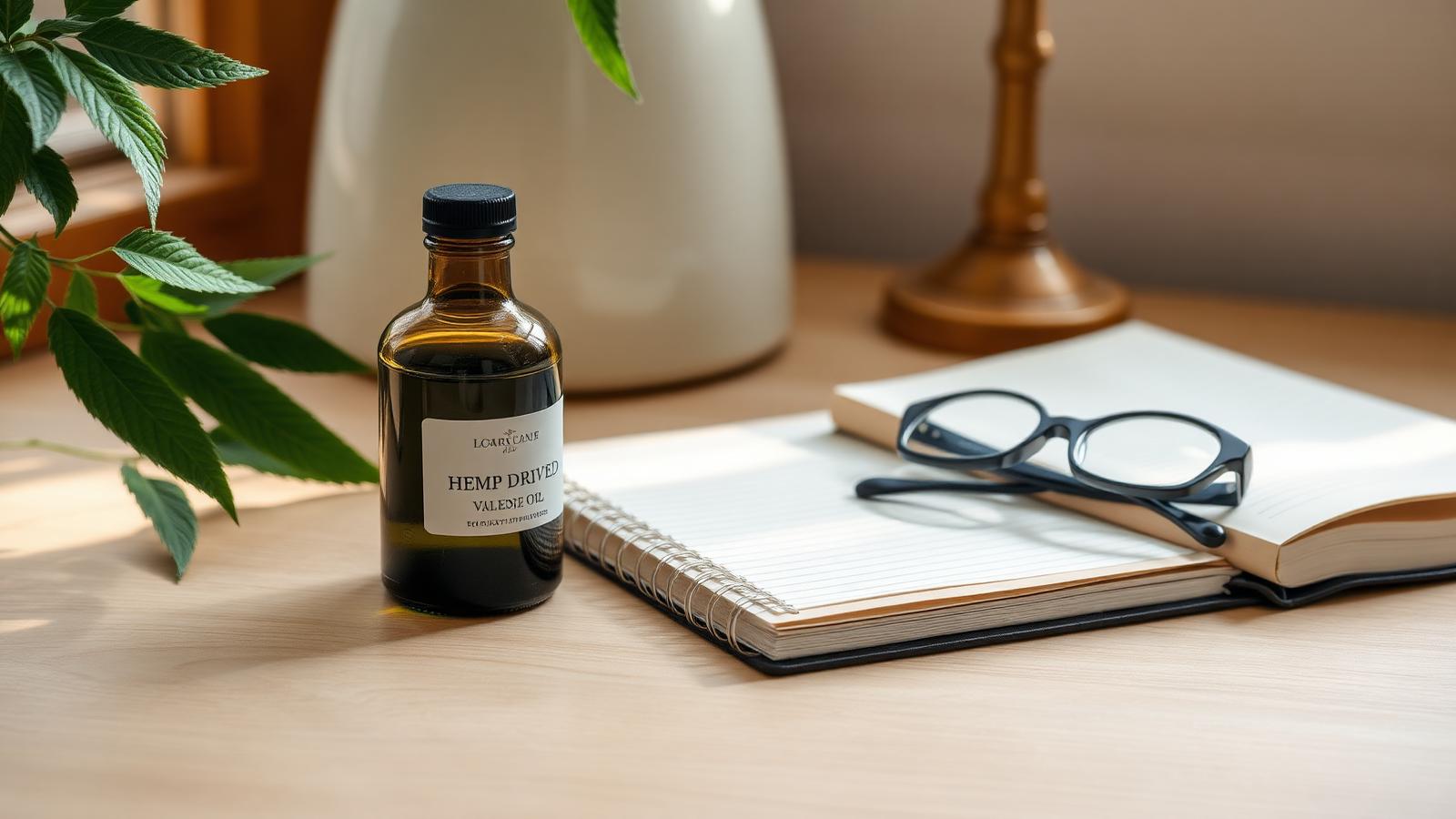
Amber oil bottle beside a notebook and reading glasses on a light oak desk
Understanding the vocabulary before you shop changes the entire experience of a first visit.

Key takeaway

Learn the vocabulary and how to read a label before you buy anything. Everything else is marketing.

Colorado has had a regulated adult-use cannabis market for over a decade, and hemp-derived CBD products are sold well beyond that market — in shops, pharmacies and online. The result is a lot of vocabulary, a lot of marketing, and remarkably little plain explanation. This guide is the plain explanation.

The vocabulary, in order of usefulness

Terms you will actually encounter

TermWhat it means
CannabinoidA class of compounds found in the cannabis plant. THC and CBD are the two most discussed of many.
THCTetrahydrocannabinol — the cannabinoid primarily responsible for intoxication.
CBDCannabidiol — a non-intoxicating cannabinoid. It does not produce a 'high'.
HempCannabis containing very low THC, defined by legal threshold rather than botany.
TerpenesAromatic compounds that give different varieties their smell and character.
Full spectrumContains the plant's range of cannabinoids, including trace THC.
Broad spectrumMultiple cannabinoids with THC removed to below detectable levels.
IsolateA single purified cannabinoid, usually CBD, with nothing else present.
COACertificate of analysis — an independent lab report for a specific batch.

THC and CBD are not two versions of the same thing

The most common misunderstanding is that CBD is 'mild THC'. They are distinct compounds that behave differently. THC is intoxicating and is the reason adult-use cannabis is age-restricted and regulated. CBD is not intoxicating; taking more of it does not produce a high.

Practically, that difference determines where a product is sold, whether it is age-restricted, whether it can affect a drug test, and whether it is sensible to use before driving or working. Our dedicated comparison guide covers this in more detail.

Product categories

  • Flower — dried plant material, typically smoked or vaporised. Effects arrive quickly and fade relatively quickly.
  • Edibles — food and drink products. Onset is slow and unpredictable, which is where most first-time problems come from.
  • Tinctures and oils — measured drops, usually taken under the tongue or added to food.
  • Topicals — creams and balms applied to skin.
  • Concentrates — high-potency extracts, generally not a sensible starting point for anyone new.
  • Capsules and softgels — pre-measured servings, easiest to keep track of.

How to read a label properly

Five things to check, in order

1

Total cannabinoid content per package, and separately per serving — these are frequently confused.

2

Serving size, and how many servings the package contains.

3

THC content, including trace amounts in full-spectrum products.

4

A batch or lot number that matches an available certificate of analysis.

5

Ingredients, carrier oils and allergens, which are as relevant here as in any consumable.

A certificate of analysis from an independent laboratory, tied to the batch number on the package, is the most useful single signal of a serious product. If a seller cannot produce one, that tells you something.

Responsible-use principles

Principles that apply regardless of product

  • Never drive or operate machinery under the influence of an intoxicating product.
  • Start with the lowest available serving and wait — particularly with edibles.
  • Don't combine with alcohol while you're still learning how something affects you.
  • Store everything securely and out of reach of children and pets.
  • Talk to a pharmacist or physician about interactions if you take prescription medication.
  • Avoid entirely if you are pregnant or breastfeeding.
  • Be cautious if you have a personal or family history of psychosis or a substance-use disorder.

Colorado context

Colorado regulates adult-use and medical cannabis at the state level, with additional rules set by individual municipalities. The framework covers minimum age, purchase limits, licensing, testing and labelling requirements, public consumption restrictions and driving offences. Local rules differ across El Paso County and the City of Colorado Springs, and they have changed over time.

Because of that, we deliberately do not publish specific limits, thresholds or license conditions here. Anything we wrote today could be inaccurate within a year, and inaccurate legal information is worse than none. Check the Colorado Department of Revenue's Marijuana Enforcement Division and your local municipal government for current rules.

Common misconceptions

  • 'CBD can't show up on a drug test.' Full-spectrum products contain trace THC, and tests screen for THC metabolites.
  • 'Natural means safe.' Neither plant origin nor legality tells you anything about interactions or appropriate use.
  • 'Stronger is better.' Higher potency mostly raises the cost of a mistake.
  • 'It's legal, so it's unregulated.' Colorado's market is heavily regulated; hemp-derived CBD sold elsewhere is regulated differently.
  • 'Everyone reacts the same way.' Individual response varies substantially, which is why starting low is a universal recommendation.

When to talk to a professional

Talk to a clinician before using cannabinoid products if you take prescription medication, are managing a chronic condition, are pregnant or breastfeeding, have a history of psychosis or substance-use disorder, or are considering these products for a symptom rather than out of interest. A pharmacist is an under-used and very accessible source of specific interaction information.

We write about this category because people in Colorado encounter it constantly and deserve clear information. We do not write about it as a health intervention, because that is not a claim we are in a position to make.

Frequently asked questions

Is CBD the same as marijuana?
No. CBD is one compound found in the cannabis plant. It is not intoxicating, and CBD products are commonly derived from hemp. Marijuana in the regulatory sense refers to cannabis above a defined THC threshold and is sold through the licensed adult-use or medical market.
Will CBD make me feel high?
CBD itself is not intoxicating. However, full-spectrum products contain trace amounts of THC, and mislabelled products exist. If avoiding THC entirely matters to you, look for broad-spectrum or isolate products with a matching certificate of analysis.
Can CBD affect a drug test?
It can. Drug tests generally screen for THC metabolites, and full-spectrum CBD products contain trace THC. If testing is a concern for your employment, the safest position is to assume any cannabinoid product carries risk and to discuss it with your employer or an occupational health professional.
What's a sensible starting amount?
The lowest serving the product offers, taken once, with time to observe the effect before considering more. With edibles in particular, wait well beyond the point where you expect something to happen. We do not recommend specific doses because that is a clinical question, not an editorial one.
Are cannabis rules the same everywhere in Colorado?
No. The state sets a framework and municipalities add their own rules on licensing, retail and public consumption, which is why regulations differ between Colorado Springs, Manitou Springs and unincorporated El Paso County. Always check the rules for the specific place you're in.
Does this guide recommend cannabis or CBD for health conditions?
No. Nothing on this site recommends cannabis or CBD as a treatment for any disease, symptom or condition. This is consumer education about a legal product category. Questions about health conditions belong with a qualified clinician.
Explore all local resources →

Continue reading

Pillar guide · 15 min read

Outdoor Wellness in Colorado Springs: A Practical Guide to Moving, Exploring and Resetting Outside

Walking, hiking, nature exposure and outdoor recovery in Colorado Springs — how to choose by time and intensity, prepare properly for altitude and weather, and go outside more often than you currently do.

By Marcus Ellery, Colorado Springs Guide Editor · Published February 3, 2026 · Updated July 6, 2026

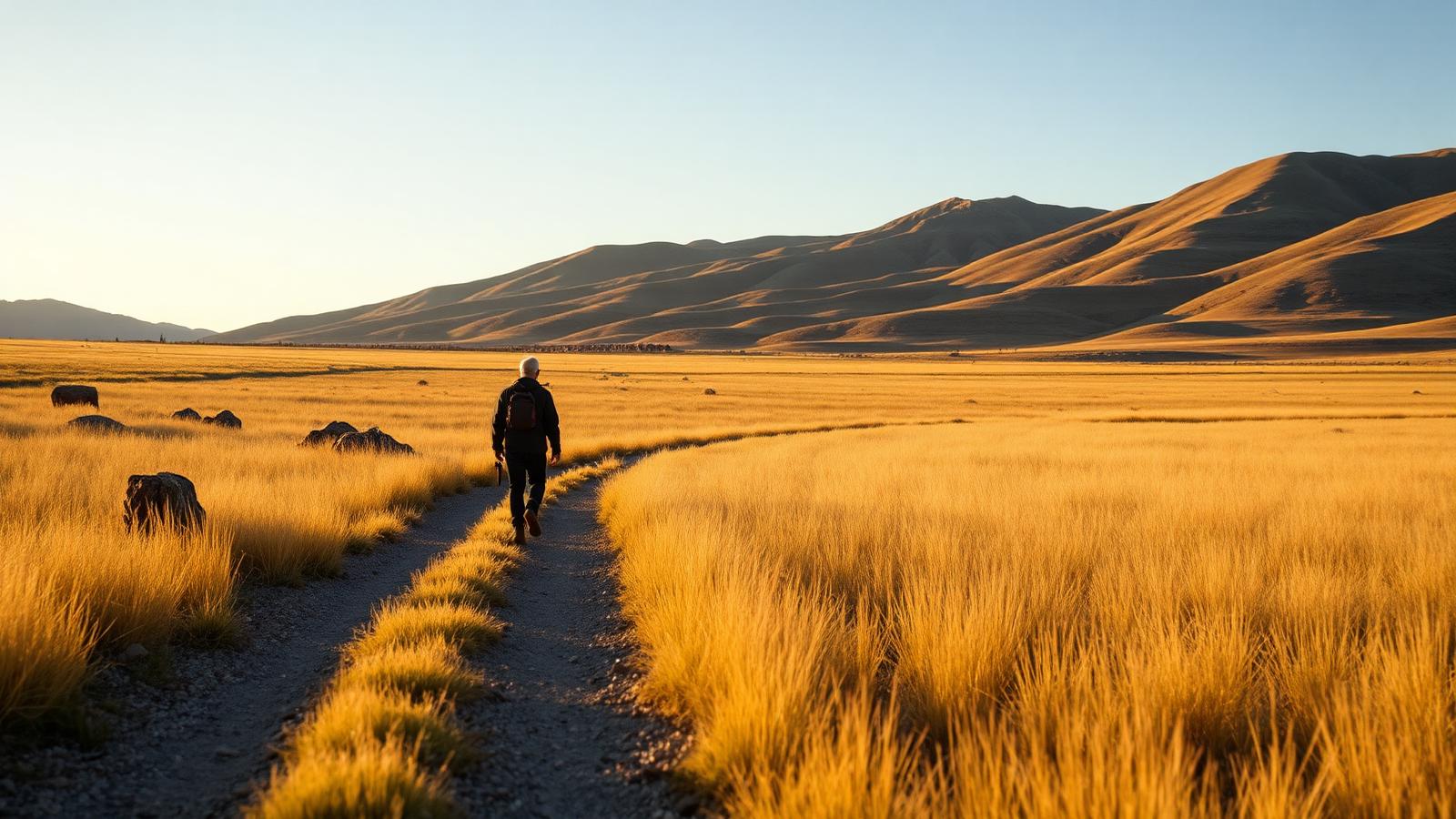
Person walking a gravel path through golden prairie grass toward Colorado foothills
Most useful outdoor time here isn't a summit day — it's forty minutes on a trail fifteen minutes from home.

Key takeaway

Pick the activity by the time and intensity you have available today, not by what you managed on your best day last year.

Outdoor wellness is the part of this city that needs the least persuasion and the most practical detail. Nobody in Colorado Springs needs to be told that going outside is good for them. What people actually need is a way to decide, on a Tuesday with ninety minutes and average energy, exactly where to go and what to expect when they get there.

Start with walking, not hiking

Hiking is a category with equipment, ambition and a summit attached. Walking is a habit. The distinction matters because the habit produces most of the benefit: regular, unremarkable time on your feet outdoors, several times a week, at a pace that lets you hold a conversation.

The city is unusually well set up for this. The Pikes Peak Greenway and Monument Valley Park give you flat, paved, shaded distance near downtown. Cottonwood Creek Park does the same job on the north side. Neither is scenic in a postcard sense, and both are more useful than the famous places for building consistency.

Choosing an activity by time

Time on hand, sensible options

Time availableRealistic optionWhat to skip
20–30 minutesNeighborhood loop or a paved park pathAnything with a trailhead drive
1 hourCottonwood Creek, Monument Valley, lower Ute ValleySteep connectors and summit attempts
90 minutesRed Rock Canyon lower loops, Palmer Park mesa circuitLong shuttle logistics
Half dayNorth Cheyenne Cañon linked trails, longer greenway rideRushed turnarounds
Full dayA drive out plus a slow return and a real mealTwo big objectives in one day

Choosing an activity by intensity

Intensity in this city is mostly a function of grade and altitude rather than distance. Two miles on the flat greenway and two miles up a Palmer Park connector are different sports. Be honest about which one today is.

  • Very gentle: paved park paths, creekside walking, flat neighborhood loops.
  • Gentle: wide natural-surface trails with mild grade, such as lower Ute Valley.
  • Moderate: rolling loops with sustained short climbs — Red Rock Canyon, Palmer Park mesa.
  • Active: linked canyon trails with real elevation gain over an hour or more.
  • Challenging: sustained steep ascent, exposed ground, long days at altitude.

Nature exposure without a hike at all

Some of the best outdoor time here involves almost no movement. Sitting somewhere with a long view for twenty minutes is a legitimate use of an afternoon, and in a city with this much open sky it is easy to arrange. Bring something to sit on, leave the phone in a pocket, and let it be boring.

This is the version of outdoor wellness that works on days when you're tired, injured, ill-equipped or simply not in the mood to perform. It counts.

Outdoor recovery

The day after something hard, the instinct is to do nothing. A slow walk on flat ground will usually leave you feeling better than the couch will. Twenty to forty minutes, no watch, no route ambition. Add sun protection and water and you have the whole protocol.

Seasonal planning

Spring

Unstable and muddy. Wet natural-surface trails damage easily and widen when people walk around puddles, so favour paved paths and gravel until things dry out. Expect a warm week followed by snow, and don't put the layers away.

Summer

Start early. Afternoon thunderstorms are a regular feature, and being off exposed ridges and summits by early afternoon is standard practice here. Shade is limited on most open space, so the canyon and creek corridors earn their keep in July.

Fall

The most reliable season: stable weather, comfortable temperatures, long clear light. If you are going to attempt something bigger than usual, this is when to do it.

Winter

Cold but bright, with plenty of walkable days. Shaded sections hold ice long after the sun has cleared the rest, so microspikes are a cheap and genuinely useful purchase. Midday walks in winter sunlight are one of the best habits available in this city.

Preparation that actually matters

Before you go

  • Water — more than at sea level, and start drinking before you leave.
  • Sun protection year-round; the winter sun at altitude is not gentle.
  • A layer you can take off, and a wind layer you'll be glad of on a ridge.
  • A photograph of the trailhead map, since signage is inconsistent.
  • A turnaround time, not just a destination.
  • A note to someone about where you're going if you're heading out alone.

Responsible outdoor recreation

Everything here is public land under pressure from a growing city. Stay on established trails, pass through mud rather than around it, keep dogs leashed where required, pack out everything including fruit peel, and give wildlife a wide margin. Fire restrictions are common in dry months and are worth checking before any outing involving heat of any kind.

None of this is ceremonial. The trails you use most are the ones most affected by how you use them.

Beginner considerations

If you are new to this — new to altitude, new to trails, or returning after a long gap — start smaller than feels satisfying for the first month. Choose wide, well-used trails with clear exits. Go at a pace where you can talk. Turn around at the time you set, not the time you feel like it. The point of the first month is to prove to yourself that you'll go again.

Frequently asked questions

What's the easiest trail in Colorado Springs for a complete beginner?
The central garden trail at Garden of the Gods and the main path through Monument Valley Park are both wide, largely paved and gently graded. Either gives you a real sense of place without technical footing or significant climbing.
How much water should I carry at this altitude?
More than you would at sea level, and start hydrating before you leave rather than when you feel thirsty. For a one-hour walk in summer, a full bottle is a sensible minimum; for anything longer or steeper, plan on carrying considerably more.
When are afternoon thunderstorms a problem?
Most often in mid-to-late summer. The standard local approach is to start early and be off exposed ridges, summits and open ground by early afternoon. If you hear thunder, descend and find shelter rather than finishing the loop.
Do I need special footwear for local trails?
For paved paths and the greenway, ordinary shoes are fine. For Palmer Park, Red Rock Canyon and the canyon trails, loose gravel and rock make trail shoes a worthwhile upgrade — grip matters more than cushioning on the descents.
Is it safe to hike alone here?
Many people do, on busy trails, in daylight. Sensible practice is to choose well-used routes, tell someone your plan and expected return, carry a charged phone knowing that coverage is patchy in canyons, and set a firm turnaround time.
What should I do when trails are muddy?
Choose a paved or gravel option instead. Walking on soft natural-surface trails cuts ruts and widens the path when people step around puddles, and the damage lasts long after the mud dries.
  • Westside

    Red Rock Canyon Open Space

    Quarry-scarred red rock, wide main trails and a lot of optional side loops — the middle ground between a park walk and a real hike.

  • East side

    Palmer Park mesa trails

    A large mid-city park with a web of dirt trails on the mesa — short loops for a lunch break, longer links if you want an hour of steady climbing.

  • Broadmoor & south

    North Cheyenne Cañon

    A steep, wooded canyon on the southwest side with everything from a short walk beside the creek to serious climbing on the connecting trails.

Explore all local resources →

Continue reading

Pillar guide · 16 min read

The Complete Guide to Wellness in Colorado Springs

What wellness actually looks like week to week in Colorado Springs — the outdoor access, the altitude, the seasons, and a framework for choosing activities by time, budget and energy rather than by trend.

By Nora Whitfield, Wellness Editor · Published January 14, 2026 · Updated June 22, 2026

Aerial view of Colorado Springs neighborhoods with tree-lined streets and the Front Range on the horizon
Colorado Springs sits where the plains meet the Front Range — most of the city is within twenty minutes of open space.

Key takeaway

Choose wellness activities the way you choose dinner: by what you have time for, what you can afford, and what you'll actually do again next week.

Colorado Springs makes one part of wellness unusually easy and another part unusually hard. The easy part is access: open space, trails, big sky and around three hundred days a year with meaningful sunshine. The hard part is that the abundance can be paralysing. When there are fifty places to walk and a dozen categories of thing you 'should' be doing, most people default to doing none of it.

This guide is a framework rather than a manifesto. It covers what wellness looks like in everyday life here, how the local geography and seasons change the calculation, and how to pick something specific to do this week using the time and money you actually have. Nothing in it requires a membership, a philosophy or a transformation.

What wellness means in everyday life

Strip away the industry and wellness comes down to a handful of ordinary inputs: moving regularly, sleeping enough, eating food that holds up, spending time outside, keeping some quiet in the day, and staying connected to people. None of that is novel and none of it is complicated. The difficulty is fitting it into a week that already has a job, a commute and other people's schedules in it.

That is why we organise this site around time, budget, environment and effort rather than around goals like 'balance' or 'vitality'. A thirty-minute window on a Tuesday evening is a real constraint. 'Prioritising yourself' is not something you can put in a calendar.

Outdoor wellness: the local advantage

The strongest wellness asset in this city is not a facility. It is the ring of parks and open space that touches nearly every neighborhood — Palmer Park in the middle of the east side, Ute Valley on the north, Red Rock Canyon and Garden of the Gods on the west, Bear Creek and Cheyenne Cañon to the south, and the Pikes Peak Greenway threading through the middle.

For most people, the practical use of that access is not epic hikes. It is the fifteen-minute drive to a trailhead for a forty-minute walk. That is the unit of outdoor wellness that survives a working week, and it is worth defending in a schedule more than the occasional big Saturday objective.

  • Flat and paved when you want reliability: Monument Valley Park and the greenway, Cottonwood Creek Park on the north side.
  • Rolling and natural-surface when you want a bit more: Ute Valley Park, the lower loops at Red Rock Canyon Open Space.
  • Genuinely steep when you want to work: Palmer Park's connectors, the upper trails in North Cheyenne Cañon.
  • Shade in July, which is scarcer than it sounds: the canyon, creek corridors and the greenway's tree cover.

Altitude matters more than newcomers expect. At roughly 6,000 feet, the same walk costs more, the sun is stronger, and dehydration arrives quietly. The adjustment period is real; give it a few weeks and plan your first outings shorter than your ego wants.

Movement without a training plan

Movement is where most wellness advice goes wrong, because it assumes the goal is fitness. For a lot of people the goal is simply to stop feeling stiff, sleep better and not be wrecked by a flight of stairs. That target is reached with consistency at low intensity, not with intensity at low consistency.

A workable weekly shape

1

Three short walks you don't have to think about — same route, same time, no measurement.

2

One session of something harder: a class, a hill, a strength circuit, a long trail.

3

One twenty-minute floor mobility session on a day you'd otherwise do nothing.

4

One unstructured outdoor block where the point is the place, not the effort.

Studios in Colorado Springs cover yoga, pilates, barre, strength and mixed formats, spread across the north, west and downtown. We don't rank them, because a studio that suits a 6am regular is a bad fit for someone nervous about their first class. Ask about class size, whether sessions are mixed-level, and what an intro rate includes — then go twice before deciding anything.

Recovery, sleep and the unglamorous part

Recovery is the category people skip and then blame themselves for. In a dry, high, sunny climate, three things do most of the work: hydration that starts before you're thirsty, a sleep routine with an actual transition in it, and easy days that are genuinely easy.

Heat exposure through sauna is popular here and pairs well with cold months, though it isn't right for everyone — pregnancy, cardiovascular conditions and some medications all change the picture. Bodywork is worth booking for the end of a day rather than the middle. And a slow walk the day after a hard hike will usually do more than lying still.

Most people don't have a sleep problem so much as a transition problem: full brightness and full attention right up until the moment the light goes off.

Food that survives a normal week

Eating well fails on Wednesday at seven in the evening, not in the supermarket on Sunday. The fix is structural: reduce the number of decisions rather than raise the standard of each one. A ninety-minute batch cook — one grain, one protein, one tray of roasted vegetables, one sauce — solves five weekday lunches and takes the moral weight out of it.

Seasonal markets run in and around the city from roughly late spring through fall, and they're a better weekly habit than a full dietary overhaul, because they cap the decision at 'whatever looks good, plus a plan for two dinners'. Schedules and locations change year to year, so check with the organiser rather than an old listing.

Mindfulness without the packaging

Ten minutes of slow breathing, with a longer exhale than inhale, is the entire practice. It requires no app, no subscription and no belief system, and it is most useful at the seams of the day: after work, before a difficult conversation, or when a decision has been circling for an hour.

If you want a place rather than a practice, public libraries are the most underrated wellness infrastructure in any city. Free, warm, quiet and with no obligation to buy anything — which in February is not a small thing.

A local discovery framework

When you don't know what to do, answer four questions in order. This is the same logic our Wellness Finder uses, and it works just as well on paper.

Four questions, in order

QuestionWhy it comes firstWhat it rules out
How long do I have?Time is the hardest constraint to negotiate.Anything requiring a drive you can't fit.
Indoors or outdoors?Weather and daylight decide more than motivation.Half the catalogue, instantly.
What am I willing to spend?Cost anxiety quietly cancels plans.Anything that needs a booking you'll resent.
Solo or with people?Energy for company varies more than energy for effort.The wrong version of the right activity.

Answer those four and the list of sensible options usually drops to three or four things. That is the point. The goal is not the best possible activity; it's a good enough one you'll actually leave the house for.

Building a routine that survives a bad week

Design rules that hold up

  • Anchor new habits to existing ones rather than to times of day.
  • Set the minimum version explicitly — the ten-minute version you do when everything goes wrong.
  • Keep one thing per category, not five. Breadth is what collapses first.
  • Review monthly, not daily. Daily tracking turns a routine into a job.
  • Plan for the season you're in, not the one you enjoyed most.

Our routine builder generates a specific sequence from your available time, goal and budget, and every step links back to a real place or practice in this database. It is lifestyle planning, not a prescription — but a concrete plan for Saturday beats an abstract intention for 'this month' almost every time.

Seasonal considerations

Spring is unpredictable: warm afternoons, sudden snow, muddy trails that shouldn't be walked on while they're soft. Summer means early starts and afternoon thunderstorms — being off exposed ground by early afternoon is a standard local habit, not caution. Fall is the reliable season, with stable weather and long light. Winter is cold but bright, and midday daylight walks are the highest-value seasonal habit we recommend.

Our season-by-season guide goes further into the specific adjustments, but the short version is that in Colorado Springs the weather rarely cancels the plan; it just changes the hour.

Where to start this week

  1. Pick one park within fifteen minutes of your home and walk it twice this week.
  2. Run one batch cook and see whether Wednesday feels different.
  3. Book or bookmark one guided thing — a class, a session, a group walk — for the next fortnight.
  4. Add a twenty-minute wind-down to two evenings, and leave your phone in another room for it.

That is a complete week of wellness in Colorado Springs. Everything else on this site — the finder, the routines, the explore pages, the guides — exists to make choosing the next one faster.

Frequently asked questions

Do I need to be outdoorsy to live well in Colorado Springs?
No. The outdoor access is a convenience, not a requirement. Plenty of the most durable habits here happen indoors — studio classes, cooking, mobility work, quiet reading hours at a library branch — and a twenty-minute neighborhood walk gets you most of the outdoor benefit without any gear.
How long does it take to adjust to the altitude?
Most people notice the difference for a few weeks after moving from lower elevation, particularly during exertion and sleep. Plan shorter and easier outings at first, drink more water than you think you need, and treat headaches or unusual breathlessness as a reason to slow down and talk to a clinician rather than push through.
What can I do here that costs nothing?
A great deal. City parks and open space are free, the greenway is free, public libraries are free, and the highest-value habits on this site — walking, breathing practice, an evening wind-down, batch cooking — cost only time and groceries. Our Explore page lets you filter to free options directly.
How do I choose between all the studios and wellness businesses in the city?
Choose by fit, not by ranking. Ask about class size, whether sessions are mixed-level or progressive, and what a first-time rate includes. Visit twice before judging, because a first visit tells you about parking and nerves rather than about teaching. We don't publish reviews or ratings of individual businesses.
Is this site connected to a clinic or medical practice?
No. Briargate Wellness Center is an independent digital guide to wellness discovery, education and planning in Colorado Springs. We are not a clinic, a treatment provider or a healthcare organisation, and nothing here should be treated as medical advice.
What's the single best first step for someone starting from nothing?
A twenty-minute walk from your own front door, at the same time, three times in a week. It sounds trivially small, which is precisely why it works — it establishes the habit of leaving the house before you've committed to anything harder.
  • Westside

    Garden of the Gods central garden walk

    A mostly paved loop through the red sandstone formations on the west side — the easiest way in Colorado Springs to feel like you left the city without driving out of it.

  • Downtown

    Monument Valley Park path

    Flat, shaded creekside walking and running along the Pikes Peak Greenway near downtown — the least complicated way to get 30 to 60 minutes of easy movement.

  • Citywide

    A 90-minute Sunday batch cook

    One grain, one protein, one roasted tray of vegetables, one sauce. Five weekday lunches solved.

Explore all local resources →

Continue reading