Article · 8 min read
Wellness Activities You Can Do in 30 Minutes in Colorado Springs
Thirty minutes is enough for a real wellness habit if you stop treating it as a warm-up for something longer. This guide covers the specific activities — outdoor, indoor and mental — that fit that window and actually work in Colorado Springs.
By Nora Whitfield, Wellness Editor · Published May 12, 2026 · Updated August 5, 2026
Key takeaway
Thirty minutes done consistently beats ninety minutes done occasionally — pick one activity that fits the window and repeat it until it needs no decision.
Thirty minutes is the window most people actually have on a working day. Not sixty, not ninety. Thirty — between the end of the meeting and the start of dinner, or the gap between school drop-off and the first call. The common mistake is treating that window as too short for anything real and therefore doing nothing. The second mistake is filling it with something that actually takes forty-five minutes and leaving frustrated.
This guide lists activities that genuinely fit thirty minutes in Colorado Springs — not thirty minutes on paper but thirty minutes including getting there and back, or getting set up and put away. Every entry is locally grounded, specific and honest about what actually happens in the window.
Walking: the most reliable thirty-minute activity
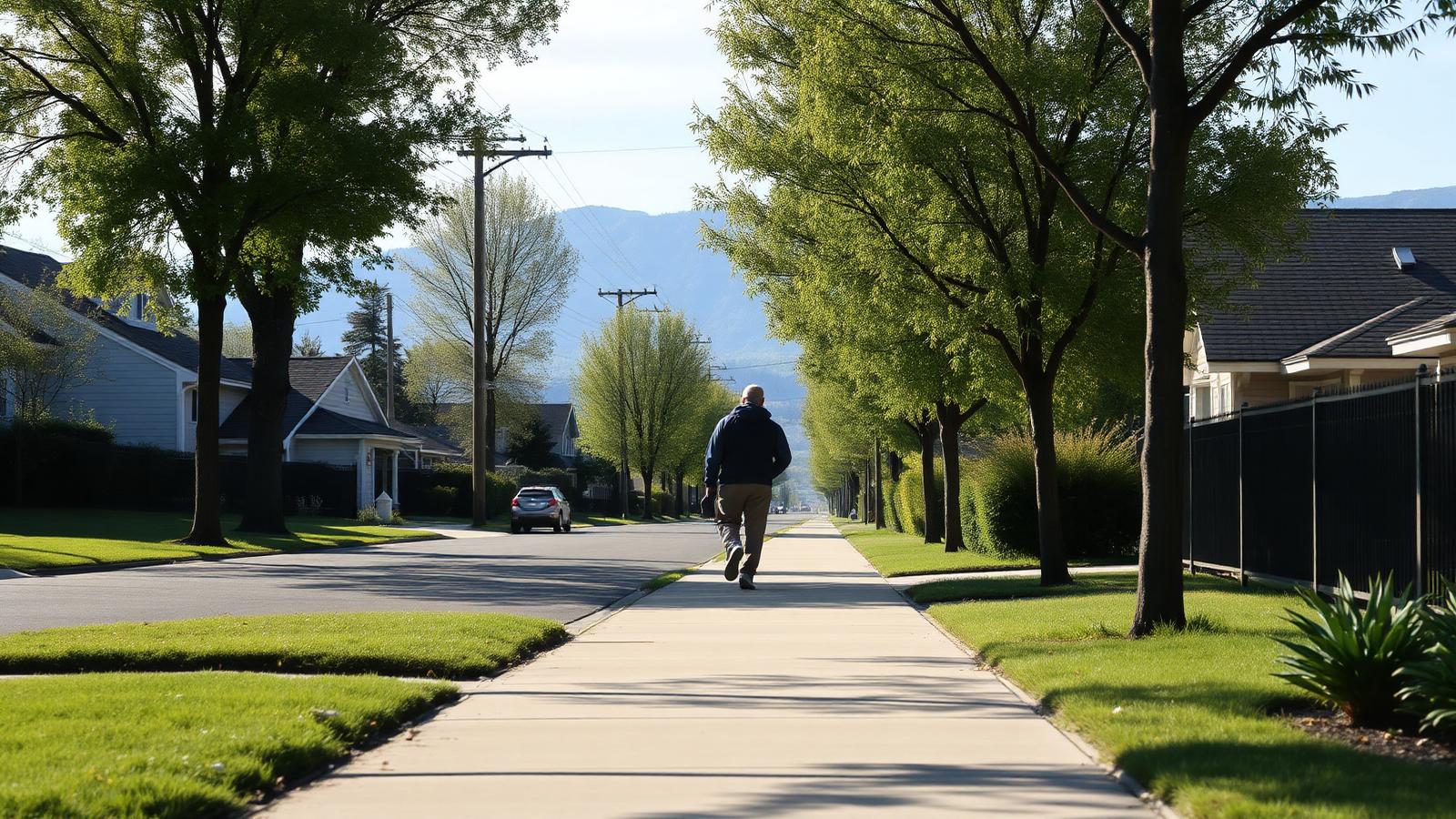
A twenty-minute walk — which is what you get when thirty minutes includes leaving the house and returning — is one of the highest-return wellness activities available. It costs nothing, requires no equipment beyond shoes, and produces measurable benefits in mood, blood sugar, stiffness and sleep quality when repeated consistently. It does not need to be fast, scenic, or impressive to any of those ends.
In Colorado Springs, you can walk a meaningful route from most residential neighborhoods without getting in a car. The network of connecting paths, park access roads and greenway spurs means that a twenty-minute out-and-back from the front door reaches open space in many parts of the city. Monument Valley Park, the Pikes Peak Greenway, Cottonwood Creek on the north side, and the Palmer Park access paths from the east-side neighborhoods all work within this window.
Mobility work at home
A thirty-minute mobility session is one of the most underutilised options in the window, because it requires almost no setup, can be done in any weather, and addresses the specific physical problem most sedentary adults in Colorado Springs have: hip flexors shortened by desk work, thoracic spine stiffened by screen posture, and ankles and calves that have never fully adapted to the elevation-change demands of local trails.
Mobility work doesn't mean yoga, though yoga is one version of it. It means slow, deliberate movement through ranges of motion you normally avoid — hip circles, cat-cow, thoracic rotation, ankle rolls, hamstring lengthening. A floor mat, thirty minutes, and a sequence you repeat the same way every session. No equipment, no membership, no class schedule.
Outdoor options by intensity
Thirty-minute outdoor activities by effort level
| Effort | Activity | Local option |
|---|---|---|
| Very gentle | Slow walk on a flat path | Monument Valley Park paved loop, Cottonwood Creek Park |
| Gentle | Brisk walk with mild grade | Lower Ute Valley Park, Red Rock Canyon entrance road |
| Moderate | Rolling trail at pace | Garden of the Gods main circuit, Palmer Park lower loop |
| Active | Hill repeats or steep connector | Palmer Park upper connector, North Cheyenne Cañon approach |
| High intensity | Trail run or steep climb at effort | Palmer Park mesa connector, Red Rock Canyon ascent |
The key adjustment for altitude is that 'moderate' in Colorado Springs at 6,000 feet requires more cardiovascular effort than the same grade at sea level. If you're new to the elevation, classify yourself one step below your sea-level normal for the first month. A pace that keeps you conversational is the right target for a thirty-minute session until you're confident in the adjustment.
Mindfulness and breathing in thirty minutes
A thirty-minute breathing or mindfulness session doesn't require thirty minutes of meditation — it requires about ten, plus time to transition in and out. A practical sequence: five minutes with no agenda (sit, don't try to do anything), fifteen minutes of slow breathing (four counts in, six or eight counts out), ten minutes of quiet sitting with eyes open. That is a complete practice, and it fits the window without any app or instruction.
The location matters more than most people think. A comfortable chair, away from a screen, in natural light, with no background noise louder than conversation is significantly more effective than the same practice at a desk with a phone visible. If your home doesn't offer that, the library is a serious alternative: a quiet branch on a weekday morning is one of the few free, genuinely quiet environments available in the city.
Recovery activities in thirty minutes
Recovery in thirty minutes usually means one of three things: a slow walk the day after something hard (which works better than rest for most people), a targeted stretching sequence for the area that's sore, or a brief sauna session if access is available. All three address the same underlying need: promoting circulation and reducing the accumulated tension that follows sustained effort.
A thirty-minute sauna session is a legitimate recovery tool, but it is not right for everyone — check with a clinician if you have cardiovascular conditions, are pregnant, or are on medications that affect heat regulation. For most people in good general health, a single session at a moderate temperature followed by a cool rinse and fifteen minutes of quiet is a complete recovery activity within the window.
Building thirty-minute habits into the week
The goal with thirty-minute activities is not a collection of them — it is one or two that run automatically, requiring no decision at the moment of execution. Decide in advance what happens in the window on Monday, Tuesday and Wednesday. Not what might happen; what will happen, same activity, same anchor. That removes the decision from the moment and puts it back into the plan.
Making the thirty-minute habit stick
- Assign the activity to an anchor, not a time of day: 'after I close the laptop' beats '5:30 pm' every time.
- Keep everything you need already out: shoes at the door, mat unrolled, route already decided.
- Set a timer for thirty minutes, not for 'as long as I feel like it' — the boundary prevents scope creep.
- Do not evaluate the session while it is happening. Evaluate it once, at the end of the week.
- When you have less than thirty minutes, do the ten-minute minimum rather than skipping entirely.
What thirty minutes doesn't fix
Thirty-minute activities don't address chronic structural problems — a fundamentally poor sleep pattern, severe deconditioning, a diet that isn't working, or a mental health condition. They are a maintenance tool and a starting point, not a treatment. If any of those larger issues apply, the thirty-minute habit is still worth building — it creates the physical and mental infrastructure that makes addressing the larger issue more feasible — but it doesn't substitute for it.
Frequently asked questions
- Is thirty minutes really enough to get any benefit from exercise?
- Yes, particularly for moderate-intensity movement done consistently. The research on short, regular bouts of movement supports benefit across multiple outcomes — mood, sleep, blood sugar, stiffness, cardiovascular health — when the sessions happen most days of the week rather than occasionally.
- What is the single best thirty-minute activity for someone starting from nothing?
- A walk from the front door, same route, most days. It is the activity with the lowest barrier, the highest likelihood of being repeated, and the broadest set of benefits. Nothing else in the thirty-minute window has a better track record for building a lasting habit from scratch.
- How does altitude affect what I can do in thirty minutes?
- Primarily by raising the cardiovascular cost of any given effort level. A brisk walk that feels easy at sea level will feel more like a moderate walk in Colorado Springs, especially in the first few weeks after arriving. Factor that in by adjusting expectations, not by choosing harder activities to compensate.
- Can I split thirty minutes across the day — say, fifteen in the morning and fifteen at lunch?
- For movement, the evidence suggests that accumulated minutes produce benefit even when split. For mindfulness or recovery, a continuous block is more effective. If splitting is what allows you to do it versus not doing it, split — the habit matters more than the format.
- What should I do when thirty minutes is all I have and I'm exhausted?
- Do the lowest-intensity version: a slow walk around the block, five minutes of floor stretching, or a ten-minute breathing practice. The value of a minimal session on a bad day is continuity — it keeps the habit pattern intact for the days when you have more energy.
Related places and practices
-
Citywide
A 20-minute sunrise walk from your own front door
The most-used wellness activity in this database, because it needs no drive, no fee, no gear and no plan.
-
Citywide
A 30-minute floor mobility session at home
Slow hips, ankles, thoracic spine and shoulders — the unglamorous work that makes hiking and desk weeks tolerable.
-
Citywide
Ten minutes of slow breathing
No app, no subscription, no belief system required. Sit, lengthen the exhale, notice when you drift, come back.
-
Downtown
Monument Valley Park path
Flat, shaded creekside walking and running along the Pikes Peak Greenway near downtown — the least complicated way to get 30 to 60 minutes of easy movement.
-
Ute Valley & northwest
Ute Valley Park loops
Rolling open space on the north side with a mix of easy valley trails and short, honest climbs — a good default for people living near Briargate and Rockrimmon.
-
Citywide
A sauna or steam session
Heat, then quiet. A simple recovery ritual that suits Colorado's dry cold months particularly well.
Continue reading