Article · 14 min read
Colorado Springs Wellness by Season: A Year-Round Planning Guide
Spring mud, summer thunderstorms, fall's best walking weeks and winter's short daylight — a practical guide to adjusting your outdoor and indoor wellness habits through the year in Colorado Springs.
By Nora Whitfield, Wellness Editor · Published March 1, 2026 · Updated July 28, 2026
Key takeaway
Colorado Springs weather doesn't cancel your plans — it changes the hour and the location. Plan for the season you're actually in, not the one you enjoyed most.
Colorado Springs has four genuinely distinct seasons, and each one changes the wellness equation in specific ways. The altitude amplifies the sun, the dry air accelerates dehydration, and the afternoon thunderstorm pattern in summer is as reliable as a calendar event. A plan that doesn't account for all of that will produce guilt and frustration rather than consistent habits.
This guide works through each season with specific, practical adjustments: when to go, where to go, what to watch for, and what to do on the days when the season wins. It is not a comprehensive activities directory — it is a planning layer for whatever wellness habits you already have or are building.
Spring: March through May
Spring in Colorado Springs is the most deceptive season. A warm, bright day in late March can give the impression that winter is over; a foot of wet snow the following week corrects that quickly. Trail conditions in March and April range from bare and dry to icy to muddy in the space of a single week, sometimes a single day.
The most important spring rule for outdoor wellness is trail surface judgment. Natural-surface trails that are soft and muddy should not be walked — not as a preference, but as a conservation habit. Walking a soft trail cuts ruts and widens the path when people step around puddles, and the damage can persist for weeks. When in doubt, choose paved paths: the greenway, Monument Valley Park, and the paved portions of Garden of the Gods are all suitable even in wet conditions.
- Best spring option on paved surfaces: Monument Valley Park, the Pikes Peak Greenway, Garden of the Gods paved circuit.
- Best spring option when trails are dry: lower loops at Red Rock Canyon Open Space, wide sections of Ute Valley Park.
- Avoid in spring mud: upper Palmer Park connectors, North Cheyenne Cañon single-track, anything with visible tire or foot ruts.
- Indoor alternative when conditions are bad: a mobility session at home, a library visit, a covered farmers market.
Spring is also the season when daylight returns fast. The shift from mid-winter's short windows to a full hour of usable light after work happens quickly between February and April. That recovering daylight is worth using for outdoor time before summer heat and thunderstorm timing compress the window again.
Summer: June through August
Summer outdoor wellness in Colorado Springs runs on a compressed schedule. The productive outdoor window is roughly six in the morning to noon. After that, afternoon thunderstorms — common from July through mid-August — make exposed ridges and open ground genuinely hazardous. The storms typically build quickly, and being off exposed terrain by early afternoon is standard local practice rather than overcaution.
Heat is the other summer variable. Colorado Springs is drier and higher than most of the country, and the combination of sun intensity and low humidity means dehydration arrives without the sensation of sweating that people use as a cue at lower altitude. Carrying water is not optional in summer — it is part of the activity.
Summer timing guide
| Time of day | Outdoor conditions | Best use |
|---|---|---|
| 6–8 am | Cool, clear, low UV | Longer trails, steeper routes, sustained effort |
| 8–10 am | Warming, still clear | Moderate trails, parks, open space |
| 10 am–noon | Hot, strong UV, watch for cloud build | Shorter loops, shaded paths only |
| Noon–3 pm | Peak heat, storm risk building | Indoor only, or covered greenway sections |
| 3–5 pm | Active storm period in July–August | Stay off exposed ground, indoor alternative |
| After 5 pm | Storm risk decreasing, still warm | Neighborhood walks, shaded creek corridors |
Shade is the summer resource. The canyon trails at North Cheyenne Cañon stay cooler than open space because of tree cover and elevation. The Pikes Peak Greenway has useful tree cover through the city. Palmer Creek and Bear Creek corridors offer shade that most of the mesa trails don't. These aren't just preferred options in summer — on a hot July afternoon, they're the only outdoor options worth taking.
Fall: September through November
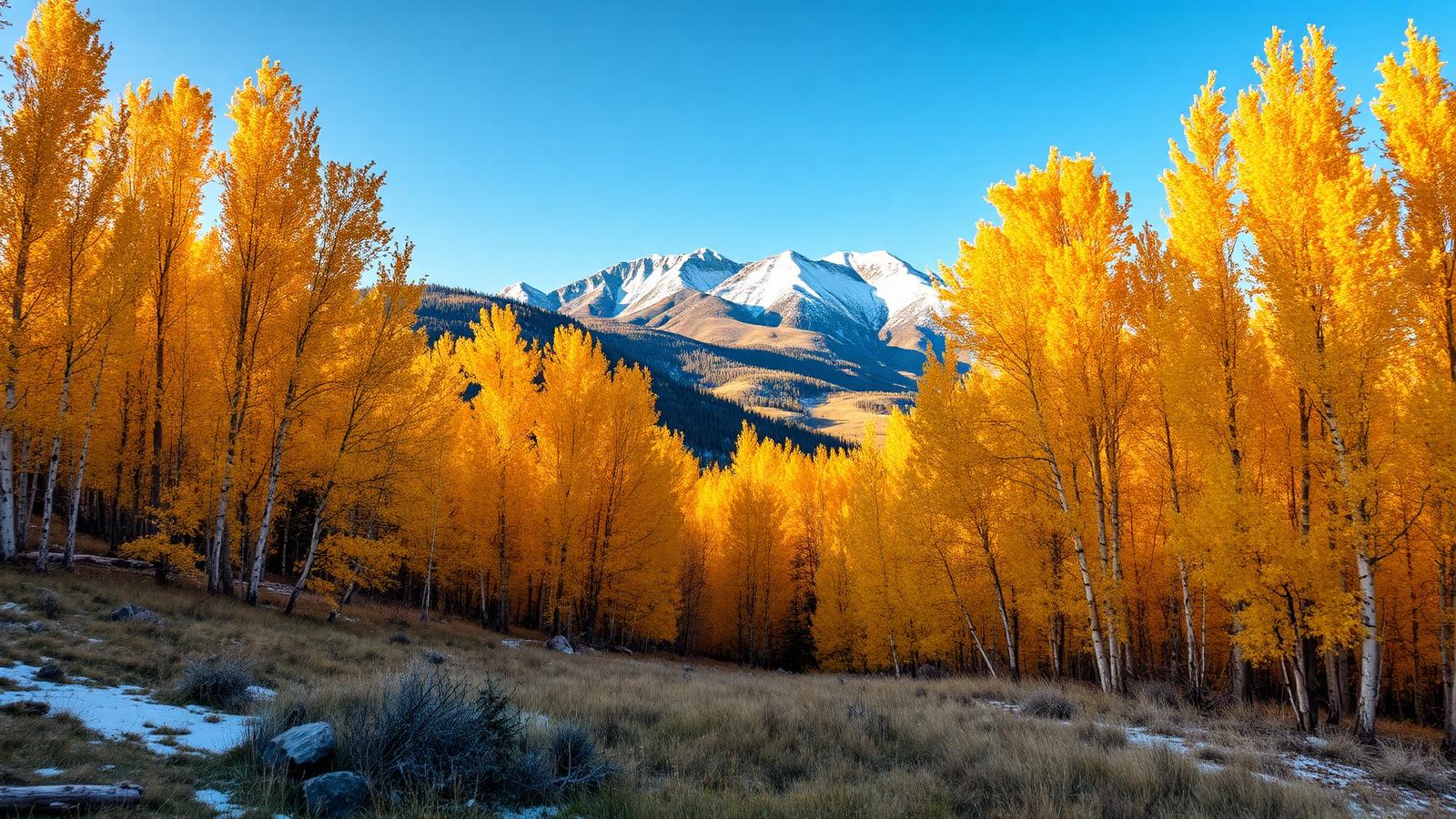
Fall is the season that most local wellness habits are built around, and for good reason. September through October brings stable weather, comfortable temperatures throughout the day, long clear light and the absence of the thunderstorm pattern that compresses summer. It is the most forgiving season for outdoor time.
Trail conditions are generally excellent through October. Trails that were too soft in spring and too hot in summer become accessible and enjoyable. This is the season to attempt routes that require more time or more sustained effort — a longer Palmer Park loop, a linked circuit in Red Rock Canyon, or a slow day at North Cheyenne Cañon.
- September and October: the best all-day outdoor windows of the year.
- Watch for early cold snaps in late October — a morning that starts at thirty-five degrees can warm to sixty by afternoon.
- November: daylight shortens noticeably; plan the outdoor window around midday rather than after work.
- Fall is the season to build a habit that will carry into winter — the motivation is there, the conditions are excellent, and the routine will be set before the short days arrive.
Winter: December through February
Winter in Colorado Springs is cold, but it is also consistently bright. The city gets far more winter sun than the Midwest or the East Coast, and midday temperatures on clear days can reach the forties even in January. This makes winter outdoor time not just possible but genuinely worth planning for.
The most valuable winter habit is the midday outdoor walk. Fifteen to thirty minutes of exposure to winter sunlight — even if it requires a coat — addresses the daylight deficit that arrives by late afternoon and genuinely affects energy and sleep quality. Monument Valley Park, the greenway and paved park paths are all accessible after a night freeze because they receive direct sun in the morning. Canyon and north-facing trails hold ice much longer.
Winter outdoor preparation
- Microspikes for icy sections — cheap, light and genuinely useful on north-facing trails in January and February.
- Warm base layer plus wind shell rather than heavy insulation; the sun makes a huge difference once you're moving.
- Sun protection even in winter; the UV index at altitude on a snow-covered trail is significant.
- Start no earlier than nine in the morning when temperatures are coldest — the sun changes the experience quickly.
- Check shaded sections for ice before walking: canyon floors, north-facing slopes and tree cover all hold ice much longer.
Winter is also the season when indoor wellness becomes more important, not as a substitute for outdoor time but as a complement to the shorter outdoor window. A morning mobility session that takes twenty minutes indoors pairs well with a midday outdoor walk that takes another twenty. Together they give you the sensory variety and physical input of a much longer single session.
Seasonal transition points
The hardest wellness weeks of the year are usually the transition weeks — the week in November when the clocks change and the outdoor window after work disappears, the week in March when a warm stretch is interrupted by a late snowstorm. These weeks knock out routines that have no pre-planned response to disruption.
Seasonal transition planning
| Transition | Main challenge | Practical response |
|---|---|---|
| March | Mud and unpredictable snow | Shift to paved paths; keep the outdoor anchor but reduce distance |
| June | Thunderstorm window starts, heat increases | Move outdoor sessions to before 10 am; add indoor alternative |
| September | Easier, not harder — the best transition | Extend outdoor sessions; build the anchor habit for fall |
| November | Daylight loss after work | Shift outdoor time to midday or morning; add indoor evening session |
Year-round habits that don't need seasonal adjustment
Some habits are genuinely season-independent and worth anchoring for that reason. An evening breathing or wind-down practice, a weekly batch cook, a morning mobility session and a library visit are all essentially immune to weather. They serve as the stable core of a routine while the outdoor components shift around them with the seasons.
These don't need to be elaborate. Ten minutes of slow breathing at the end of the workday does not change in February. A ninety-minute batch cook on Sunday produces the same weekday benefit in January as it does in July. The lower-maintenance the habit, the more reliably it functions as an anchor.
Planning the year
Rather than setting an annual wellness resolution, try setting a seasonal one. At the start of each season — roughly early March, June, September and December — spend ten minutes writing down what the next three months look like: what the weather will do, what your schedule will do, and what one or two outdoor adjustments make sense. That is a complete seasonal plan.
The goal is not to optimize each season but to stay in the habit of adapting rather than quitting. Most wellness routines that survive a full year in Colorado Springs do so because they had a different shape in each season, not because they were rigid enough to hold through all four.
Frequently asked questions
- What is the best season for outdoor wellness in Colorado Springs?
- Fall — specifically September and October — is the most reliable and accessible season for outdoor wellness. The thunderstorm pattern has ended, temperatures are comfortable throughout the day, trails are in good condition, and the daylight is long enough for flexible scheduling.
- When do afternoon thunderstorms typically start and end?
- The pattern typically begins in late June or early July and runs through mid-August. By September, the risk drops significantly. During the active period, storms are most common between one and four in the afternoon, though they can arrive earlier or later. The rule to follow is simple: off exposed ground by noon to be safe.
- Can I hike in winter in Colorado Springs?
- Yes, and winter hiking is genuinely underrated here. Many trails are accessible on a clear winter day, particularly south-facing slopes and paved paths that get direct morning sun. Microspikes, a warm base layer and a realistic sense of which trails hold ice are the main requirements.
- How much does altitude affect seasonal wellness planning?
- Primarily in two ways: UV exposure is higher year-round (including on snowy winter days), and dehydration arrives more quickly in the dry climate, particularly in spring and summer. Build sun protection and hydration into the plan regardless of season, not just in summer.
- Are there wellness activities I can do year-round regardless of weather?
- Many. Indoor mobility work, breathing practice, evening wind-down routines and batch cooking are all weather-independent. The paved greenway and Monument Valley Park are also accessible on most days when natural-surface trails are not.
- What should I do on days when the weather makes outdoor time impossible?
- Have an explicit indoor alternative already decided. A short mobility session, a library visit, a breathing practice or an indoor workout covers the wellness value without requiring a new decision in a disrupted day. The alternative should already be in the plan before the bad weather arrives.
Related places and practices
-
Westside
Garden of the Gods central garden walk
A mostly paved loop through the red sandstone formations on the west side — the easiest way in Colorado Springs to feel like you left the city without driving out of it.
-
East side
Palmer Park mesa trails
A large mid-city park with a web of dirt trails on the mesa — short loops for a lunch break, longer links if you want an hour of steady climbing.
-
Ute Valley & northwest
Ute Valley Park loops
Rolling open space on the north side with a mix of easy valley trails and short, honest climbs — a good default for people living near Briargate and Rockrimmon.
-
Downtown
Monument Valley Park path
Flat, shaded creekside walking and running along the Pikes Peak Greenway near downtown — the least complicated way to get 30 to 60 minutes of easy movement.
-
Broadmoor & south
North Cheyenne Cañon
A steep, wooded canyon on the southwest side with everything from a short walk beside the creek to serious climbing on the connecting trails.
-
Citywide
A midday winter daylight walk
Colorado Springs winters are cold but bright. A short walk at midday is the single most useful seasonal habit we recommend.
Continue reading