Pillar guide · 16 min read
The Complete Guide to Wellness in Colorado Springs
What wellness actually looks like week to week in Colorado Springs — the outdoor access, the altitude, the seasons, and a framework for choosing activities by time, budget and energy rather than by trend.
By Nora Whitfield, Wellness Editor · Published January 14, 2026 · Updated June 22, 2026
Key takeaway
Choose wellness activities the way you choose dinner: by what you have time for, what you can afford, and what you'll actually do again next week.
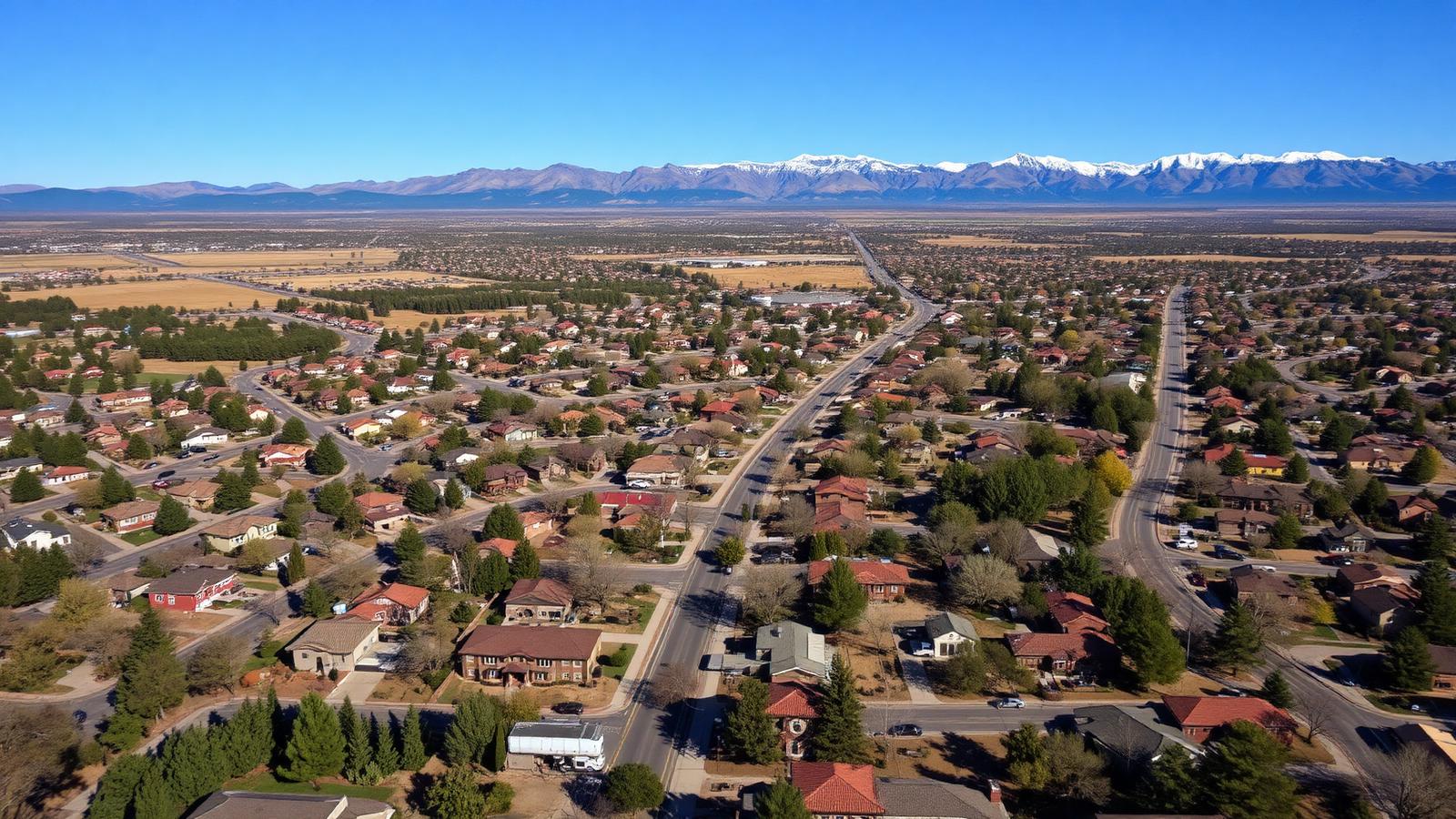
Colorado Springs makes one part of wellness unusually easy and another part unusually hard. The easy part is access: open space, trails, big sky and around three hundred days a year with meaningful sunshine. The hard part is that the abundance can be paralysing. When there are fifty places to walk and a dozen categories of thing you 'should' be doing, most people default to doing none of it.
This guide is a framework rather than a manifesto. It covers what wellness looks like in everyday life here, how the local geography and seasons change the calculation, and how to pick something specific to do this week using the time and money you actually have. Nothing in it requires a membership, a philosophy or a transformation.
What wellness means in everyday life
Strip away the industry and wellness comes down to a handful of ordinary inputs: moving regularly, sleeping enough, eating food that holds up, spending time outside, keeping some quiet in the day, and staying connected to people. None of that is novel and none of it is complicated. The difficulty is fitting it into a week that already has a job, a commute and other people's schedules in it.
That is why we organise this site around time, budget, environment and effort rather than around goals like 'balance' or 'vitality'. A thirty-minute window on a Tuesday evening is a real constraint. 'Prioritising yourself' is not something you can put in a calendar.
Outdoor wellness: the local advantage
The strongest wellness asset in this city is not a facility. It is the ring of parks and open space that touches nearly every neighborhood — Palmer Park in the middle of the east side, Ute Valley on the north, Red Rock Canyon and Garden of the Gods on the west, Bear Creek and Cheyenne Cañon to the south, and the Pikes Peak Greenway threading through the middle.
For most people, the practical use of that access is not epic hikes. It is the fifteen-minute drive to a trailhead for a forty-minute walk. That is the unit of outdoor wellness that survives a working week, and it is worth defending in a schedule more than the occasional big Saturday objective.
- Flat and paved when you want reliability: Monument Valley Park and the greenway, Cottonwood Creek Park on the north side.
- Rolling and natural-surface when you want a bit more: Ute Valley Park, the lower loops at Red Rock Canyon Open Space.
- Genuinely steep when you want to work: Palmer Park's connectors, the upper trails in North Cheyenne Cañon.
- Shade in July, which is scarcer than it sounds: the canyon, creek corridors and the greenway's tree cover.
Altitude matters more than newcomers expect. At roughly 6,000 feet, the same walk costs more, the sun is stronger, and dehydration arrives quietly. The adjustment period is real; give it a few weeks and plan your first outings shorter than your ego wants.
Movement without a training plan
Movement is where most wellness advice goes wrong, because it assumes the goal is fitness. For a lot of people the goal is simply to stop feeling stiff, sleep better and not be wrecked by a flight of stairs. That target is reached with consistency at low intensity, not with intensity at low consistency.
A workable weekly shape
Three short walks you don't have to think about — same route, same time, no measurement.
One session of something harder: a class, a hill, a strength circuit, a long trail.
One twenty-minute floor mobility session on a day you'd otherwise do nothing.
One unstructured outdoor block where the point is the place, not the effort.
Studios in Colorado Springs cover yoga, pilates, barre, strength and mixed formats, spread across the north, west and downtown. We don't rank them, because a studio that suits a 6am regular is a bad fit for someone nervous about their first class. Ask about class size, whether sessions are mixed-level, and what an intro rate includes — then go twice before deciding anything.
Recovery, sleep and the unglamorous part
Recovery is the category people skip and then blame themselves for. In a dry, high, sunny climate, three things do most of the work: hydration that starts before you're thirsty, a sleep routine with an actual transition in it, and easy days that are genuinely easy.
Heat exposure through sauna is popular here and pairs well with cold months, though it isn't right for everyone — pregnancy, cardiovascular conditions and some medications all change the picture. Bodywork is worth booking for the end of a day rather than the middle. And a slow walk the day after a hard hike will usually do more than lying still.
Most people don't have a sleep problem so much as a transition problem: full brightness and full attention right up until the moment the light goes off.
Food that survives a normal week
Eating well fails on Wednesday at seven in the evening, not in the supermarket on Sunday. The fix is structural: reduce the number of decisions rather than raise the standard of each one. A ninety-minute batch cook — one grain, one protein, one tray of roasted vegetables, one sauce — solves five weekday lunches and takes the moral weight out of it.
Seasonal markets run in and around the city from roughly late spring through fall, and they're a better weekly habit than a full dietary overhaul, because they cap the decision at 'whatever looks good, plus a plan for two dinners'. Schedules and locations change year to year, so check with the organiser rather than an old listing.
Mindfulness without the packaging
Ten minutes of slow breathing, with a longer exhale than inhale, is the entire practice. It requires no app, no subscription and no belief system, and it is most useful at the seams of the day: after work, before a difficult conversation, or when a decision has been circling for an hour.
If you want a place rather than a practice, public libraries are the most underrated wellness infrastructure in any city. Free, warm, quiet and with no obligation to buy anything — which in February is not a small thing.
A local discovery framework
When you don't know what to do, answer four questions in order. This is the same logic our Wellness Finder uses, and it works just as well on paper.
Four questions, in order
| Question | Why it comes first | What it rules out |
|---|---|---|
| How long do I have? | Time is the hardest constraint to negotiate. | Anything requiring a drive you can't fit. |
| Indoors or outdoors? | Weather and daylight decide more than motivation. | Half the catalogue, instantly. |
| What am I willing to spend? | Cost anxiety quietly cancels plans. | Anything that needs a booking you'll resent. |
| Solo or with people? | Energy for company varies more than energy for effort. | The wrong version of the right activity. |
Answer those four and the list of sensible options usually drops to three or four things. That is the point. The goal is not the best possible activity; it's a good enough one you'll actually leave the house for.
Building a routine that survives a bad week
Design rules that hold up
- Anchor new habits to existing ones rather than to times of day.
- Set the minimum version explicitly — the ten-minute version you do when everything goes wrong.
- Keep one thing per category, not five. Breadth is what collapses first.
- Review monthly, not daily. Daily tracking turns a routine into a job.
- Plan for the season you're in, not the one you enjoyed most.
Our routine builder generates a specific sequence from your available time, goal and budget, and every step links back to a real place or practice in this database. It is lifestyle planning, not a prescription — but a concrete plan for Saturday beats an abstract intention for 'this month' almost every time.
Seasonal considerations
Spring is unpredictable: warm afternoons, sudden snow, muddy trails that shouldn't be walked on while they're soft. Summer means early starts and afternoon thunderstorms — being off exposed ground by early afternoon is a standard local habit, not caution. Fall is the reliable season, with stable weather and long light. Winter is cold but bright, and midday daylight walks are the highest-value seasonal habit we recommend.
Our season-by-season guide goes further into the specific adjustments, but the short version is that in Colorado Springs the weather rarely cancels the plan; it just changes the hour.
Where to start this week
- Pick one park within fifteen minutes of your home and walk it twice this week.
- Run one batch cook and see whether Wednesday feels different.
- Book or bookmark one guided thing — a class, a session, a group walk — for the next fortnight.
- Add a twenty-minute wind-down to two evenings, and leave your phone in another room for it.
That is a complete week of wellness in Colorado Springs. Everything else on this site — the finder, the routines, the explore pages, the guides — exists to make choosing the next one faster.
Frequently asked questions
- Do I need to be outdoorsy to live well in Colorado Springs?
- No. The outdoor access is a convenience, not a requirement. Plenty of the most durable habits here happen indoors — studio classes, cooking, mobility work, quiet reading hours at a library branch — and a twenty-minute neighborhood walk gets you most of the outdoor benefit without any gear.
- How long does it take to adjust to the altitude?
- Most people notice the difference for a few weeks after moving from lower elevation, particularly during exertion and sleep. Plan shorter and easier outings at first, drink more water than you think you need, and treat headaches or unusual breathlessness as a reason to slow down and talk to a clinician rather than push through.
- What can I do here that costs nothing?
- A great deal. City parks and open space are free, the greenway is free, public libraries are free, and the highest-value habits on this site — walking, breathing practice, an evening wind-down, batch cooking — cost only time and groceries. Our Explore page lets you filter to free options directly.
- How do I choose between all the studios and wellness businesses in the city?
- Choose by fit, not by ranking. Ask about class size, whether sessions are mixed-level or progressive, and what a first-time rate includes. Visit twice before judging, because a first visit tells you about parking and nerves rather than about teaching. We don't publish reviews or ratings of individual businesses.
- Is this site connected to a clinic or medical practice?
- No. Briargate Wellness Center is an independent digital guide to wellness discovery, education and planning in Colorado Springs. We are not a clinic, a treatment provider or a healthcare organisation, and nothing here should be treated as medical advice.
- What's the single best first step for someone starting from nothing?
- A twenty-minute walk from your own front door, at the same time, three times in a week. It sounds trivially small, which is precisely why it works — it establishes the habit of leaving the house before you've committed to anything harder.
Related places and practices
-
Westside
Garden of the Gods central garden walk
A mostly paved loop through the red sandstone formations on the west side — the easiest way in Colorado Springs to feel like you left the city without driving out of it.
-
Downtown
Monument Valley Park path
Flat, shaded creekside walking and running along the Pikes Peak Greenway near downtown — the least complicated way to get 30 to 60 minutes of easy movement.
-
Citywide
A 90-minute Sunday batch cook
One grain, one protein, one roasted tray of vegetables, one sauce. Five weekday lunches solved.
Continue reading